






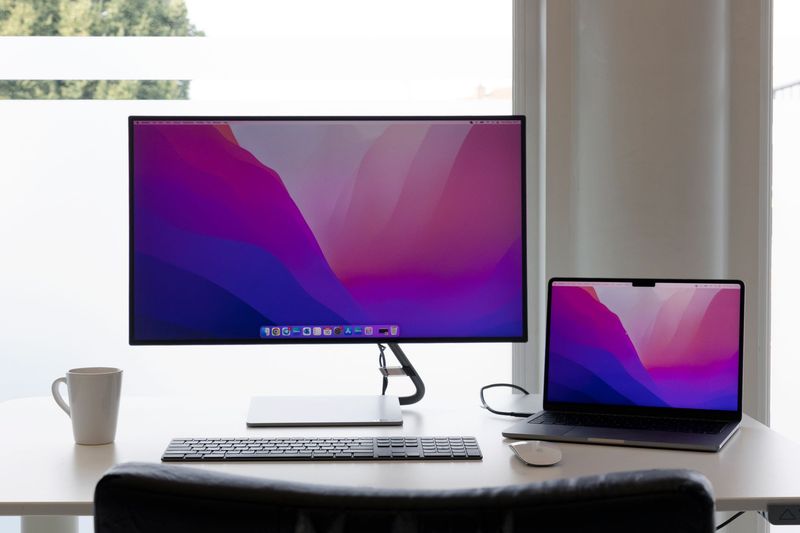
Standing desks fail in ways that only reveal themselves after month three. A frame that feels rock solid the first week develops a small tremor at full height once the monitor arm goes on. A motor that whispers on day one develops a click on day one hundred. A control panel that seemed intuitive at unboxing becomes the thing you swear at every time you knock the memory preset. So we ran the Flexispot E7, the Uplift V2, the IKEA Trotten and the Autonomous SmartDesk through six months of eight-hour weekdays across two home offices, and the winners look nothing like the review-day rankings we would have written in week two.
One flag before the ranking. The IKEA Trotten sold in the sit-stand variant is a hand-crank desk, not a motorised one. It appears in this comparison because it competes for the same buyer and the same wallet share, but if you assumed all four were push-button electric, only three are. This matters more than it sounds, because the difference between pressing a button and cranking a handle 24 times to change position is the difference between a habit that sticks and one that quietly stops.
What We Actually Tested and How
Each desk got a matched load of a 32-inch monitor on a heavy arm, a laptop dock, a mechanical keyboard, a desk mat, a lamp and the small archaeological layer of pens, mugs and cables that accumulates on any working surface. Total load sat around 22kg, well under the rated capacity of every desk but heavy enough to expose wobble honestly. We recorded lift speed from seated to standing preset, motor noise at 40cm distance, wobble at full extension using a laser dot on the wall to catch tremor, and the mundane things that only matter at month four, like how often a memory preset drifted or a leg jammed at an intermediate height.
The Four Desks, Honestly Described
The Uplift V2 with the V2-Commercial frame is the one every US remote-work forum eventually recommends, and after six months we understood the consensus without needing to argue with it. The dual-motor frame lifted a 22kg load smoothly at around 41mm per second, and at its full 51-inch extension the wobble on our laser test was the least of the four, roughly half the motion of the next best. The keypad is a small OLED with four presets and a genuinely useful sit-stand reminder. The catch, if you are outside the US, is availability. Uplift ships primarily within the US and to Canada, with limited direct options to the UK and Australia and no widespread European retail presence. Buyers outside North America will pay significant shipping and duty, and warranty claims become geographically awkward.
The Flexispot E7 is the desk that turns up in almost every UK and Australian shortlist because Flexispot ships globally and prices aggressively. Its dual-motor frame lifted our test load at around 38mm per second, marginally slower than the Uplift, and the wobble at full extension was noticeably present but not distracting under a light-touch typing load. The keypad has four presets, a child lock and a USB-A charging port that we found more useful than expected. Assembly took two people around 45 minutes, which matched the Uplift, and the fasteners were correctly labelled and complete, which is not always the case at this price. The E7 is the answer for a buyer who wants an electric dual-motor sit-stand and lives outside the US.
The IKEA Trotten is the outlier and the one we expected to dismiss quickly. It is a hand-crank sit-stand with a manual handle that folds under the desktop, and it costs a fraction of the electric options. Wobble at full height was moderate, better than we expected for the price and worse than the electric duals. The revelation was not the frame but the behaviour. Because raising the desk requires around forty seconds of crank turning, the temptation to leave it in one position is strong, and after month two we noticed we were standing less on the Trotten than on the electric desks despite intending to stand more. This is not IKEA's fault. It is human nature meeting friction. The Trotten is the right answer for a buyer who wants a well-built adjustable desk with global availability at a genuinely low price and is honest with themselves about the crank.
The Autonomous SmartDesk in its Pro trim is the desk that most often turns up in social media home-office reels, and the six months treated it fairly. Lift speed sat around 38mm per second, wobble at full extension was the greatest of the four electric contenders in our test, roughly a third more motion than the Uplift, and the keypad presets were reliable. The frame's motor noise was the loudest of the four at 52dB at 40cm, and the desktop, in our case the classic bamboo finish, showed daily wear from a metal watch bracelet within a fortnight. Autonomous ships globally with regional warehouses in the US, UK, EU and Australia, which makes support geography easier than Uplift outside North America.
Comparison Table
| Feature | Uplift V2 | Flexispot E7 | IKEA Trotten sit-stand | Autonomous SmartDesk Pro |
|---|---|---|---|---|
| Motor | Dual | Dual | Manual crank | Dual |
| Max lift capacity | 160 kg | 160 kg | 50 kg | 140 kg |
| Lift speed | 41 mm/s | 38 mm/s | N/A manual | 38 mm/s |
| Motor noise at 40cm | 45 dB | 48 dB | Silent | 52 dB |
| Wobble at full height | Lowest | Moderate | Moderate | Highest of the electric three |
| Presets | 4 | 4 | None | 4 |
| Warranty | 15 yr frame, 10 yr desktop | 15 yr frame, 5 yr motor | 10 yr | 7 yr frame, 5 yr motor |
| Price US | $699 | $429 | $299 | $649 |
| Price UK | £749 imported | £329 | £245 | £549 |
| Price AU | AUD $1249 imported | AUD $599 | AUD $399 | AUD $899 |
| Availability | Mainly US and Canada | Global | Global via IKEA stores | Global with regional warehouses |
Wobble, Cables and the Things That Break Six Months In
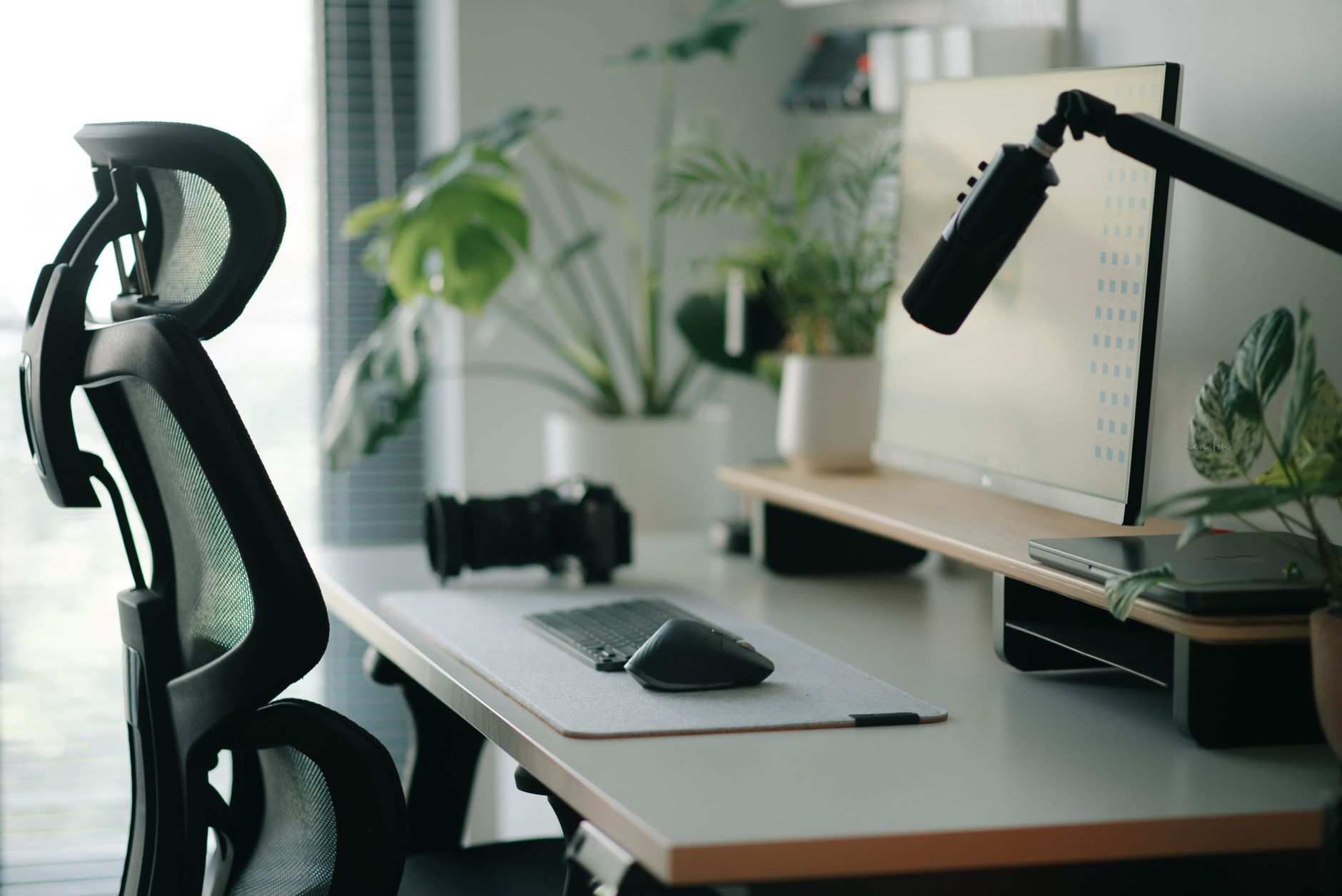
Wobble is the most misunderstood standing-desk spec because it is not a single number. What we measured is lateral tremor when a hand types firmly at full extension, which is the height most people rarely reach but where every desk is at its worst. The Uplift V2's crossbar-free design with its C-frame legs was the steadiest by a clear margin, and this was consistent across three different desktop widths from 120cm to 180cm. The Flexispot E7 sat second, wobble present but not disruptive. The Trotten was third, held back partly by its lack of a stabilising crossbar and partly by the shorter leg columns. The Autonomous had the most motion at the top of its range, though at seated and mid-standing heights the difference disappeared.
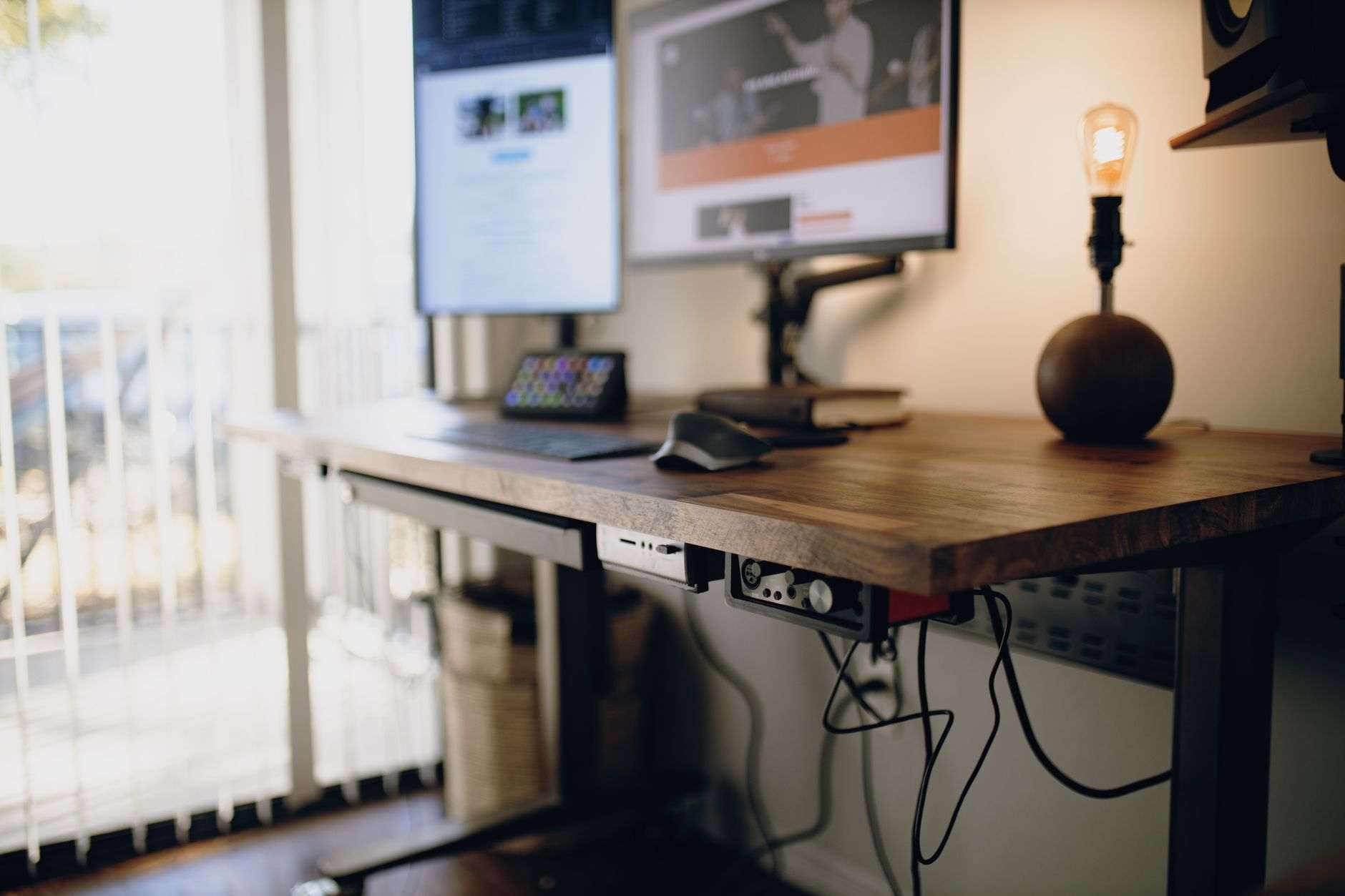
Cable management is where every desk we tested underdelivers. None of the four ships with a solution that survives six months of laptop-swap-and-plug-in daily life. We ended up fitting an aftermarket tray under each desk, and the standout accessory across all four builds was a magnetic under-desk cable tray from a third-party seller that stuck to any of the steel frames without drilling. If you buy any of these desks, budget for a tray and a bag of velcro straps on top of the sticker price. The manufacturers who claim to solve cable management in the box are, uniformly, not solving it.
Motor reliability across six months of daily use returned no failures on any of the electric three, which is a fair result but a short window. The Uplift's 15-year frame and 10-year desktop warranty is the strongest safety net on paper, followed by the Flexispot at 15 years frame and 5 years motor, then the Autonomous at 7 years frame and 5 years motor. The Trotten's 10-year IKEA warranty covers manufacturing defects but not the wearing parts of the crank mechanism, which is worth noting for heavy users.
Which One We Would Buy With Our Own Money
For a US buyer with the budget for one, the Uplift V2 was the desk we would keep at the end of the six months, because the wobble result, the warranty and the presets combined into the desk we forgot about during work, which is the highest compliment a standing desk can earn. For a UK or Australian buyer, the Flexispot E7 was the practical winner, since importing an Uplift is expensive enough to eat the price difference and the E7 is genuinely close on quality. For a buyer on a strict budget or one who wants a desk that will not become obsolete when a motor dies in a decade, the IKEA Trotten is the honest recommendation, provided you have looked at your crank hand and made peace with it. The Autonomous SmartDesk Pro is a competent desk with strong global support, and if the aesthetic and the delivery experience matter more than absolute stability, it is not a bad pick, only the least stable of the electric three in our test.
Do's and Don'ts
| Do's | Don'ts |
|---|---|
| Measure your standing elbow height before buying, the correct desk height is usually your elbow angle at 90 degrees | Buy a desk that maxes out below your ceiling, some three-stage units reach 130 cm at full extension |
| Add a monitor arm before you install the desk, it makes cable management dramatically easier | Skip the cable tray, dangling cables get pinched by the frame at the bottom of the lift |
| Test the anti-collision safety by placing a book on top mid-lift, some units are more sensitive than others | Load close to the maximum weight rating, motors last longer at 60 to 70 percent of the stated capacity |
| Set memory presets for sitting, standing, and a mid-afternoon micro-adjustment | Assume all three-stage desks are as fast as two-stage, the extra segment adds lift height but slows the motor |
| Check the warranty on the motor specifically, five to ten years is standard on premium models | Place the desk near a heat source, motor overheat protection cuts the lift out mid-cycle |
| Buy the anti-fatigue mat at the same time, it changes whether you actually use the standing mode | Rely on the built-in USB ports, they are often 5 volt 1 amp and useless for laptop charging |
| Order a slightly larger top than you think you need, cable pass-throughs eat usable width | Leave a treadmill under the desk without verifying the desk's lift-strength margin above the treadmill weight |
| Route power up the leg using cable spirals, it looks tidy and survives the full lift range | Ignore the wobble at full extension until after purchase, always test the highest setting in the shop |
| Level the feet on carpet before use, a fifteen-degree floor lean feels like ten at standing height | Buy the cheapest desk with a lifetime warranty claim, most exclude the motor and controller |
| Read the assembly time as the honest one, three to five hours is normal for the first-time builder | Assume the manual is accurate, download the latest PDF from the manufacturer's site before starting |
Frequently Asked Questions
Is the IKEA Trotten really worth considering next to the electric options?
Yes, if you buy it with clear eyes. The frame is well made and the price is genuinely low, but the manual crank changes behaviour in a way that reduces how often you actually stand, so it suits buyers who plan to work sitting most of the time and stand briefly rather than switch position multiple times per hour.
Can I get the Uplift V2 in the UK or Australia?
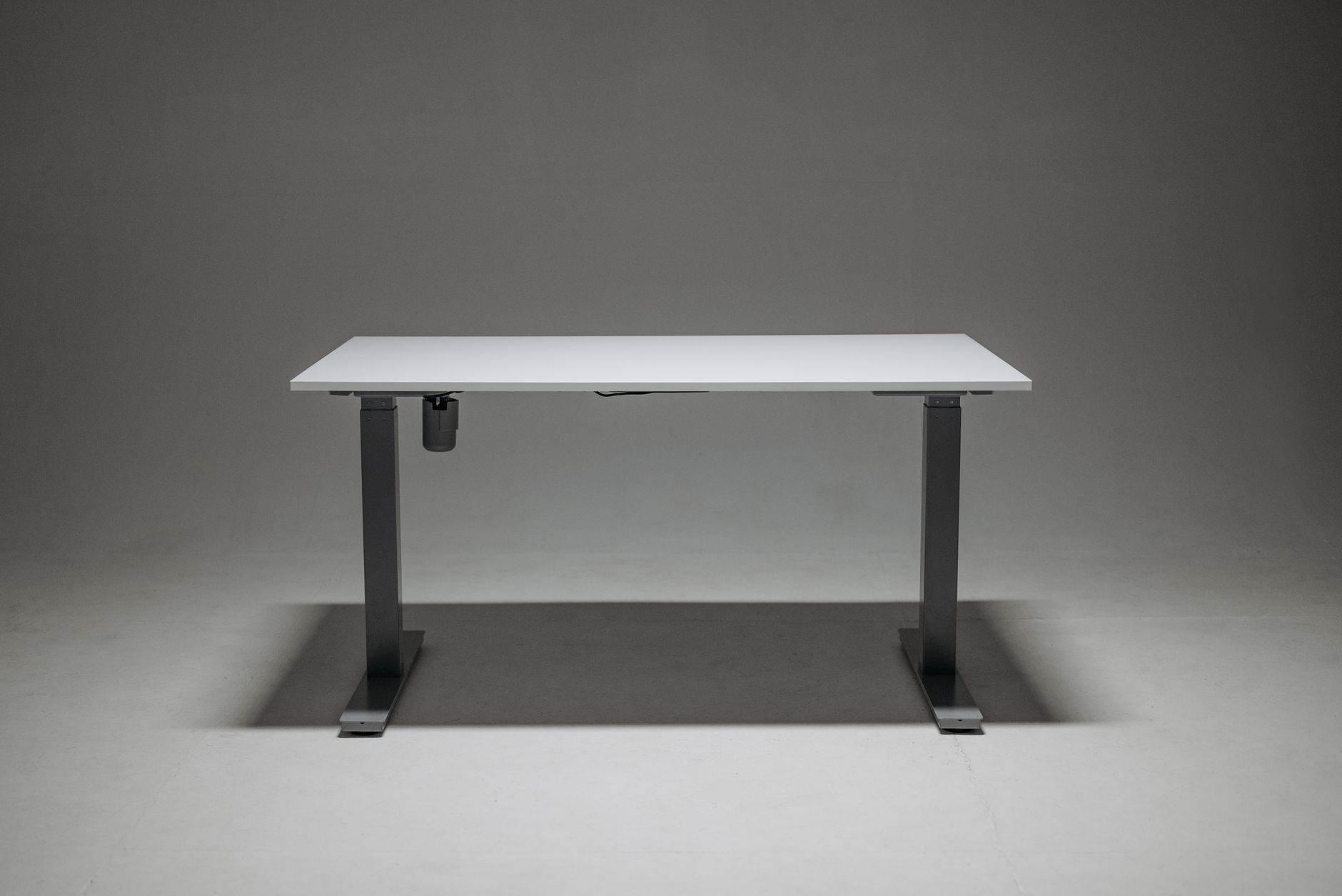
Uplift will ship internationally through their US site, but the total landed cost including freight and duty typically pushes the desk well above the Flexispot E7's local price, and warranty claims involve international return shipping. For most non-US buyers the Flexispot E7 is the more practical pick.
How long does assembly take for these desks?
Around 45 minutes for the Uplift and the Flexispot with two people, closer to 90 minutes solo. The Autonomous SmartDesk takes similar time with two people. The IKEA Trotten is quicker, around 30 minutes, because there are no motors, wires or control panels to route.
Does wobble matter if the desk is against a wall?
Less than it does for a free-standing desk. A back-anchored desk gains stability from the wall, and even the Autonomous, our wobbliest electric, felt more solid pushed against a wall than in the middle of a room. If your setup demands a floating desk, prioritise the Uplift and Flexispot.
Which desk is quietest when raising?
The Trotten is silent because it is manual, if you exclude the sound of your own effort. Among the electric three, the Uplift V2 at 45dB was the quietest, the Flexispot E7 sat in the middle at 48dB, and the Autonomous SmartDesk Pro at 52dB was noticeably audible on a video call, enough to prompt a pause before lifting.
- Tags:

Twenty years from now you will be more disappointed by the things that you didn’t do than by the ones you did do. Sail away from the safe harbor.
 Get it on
  Download on the