






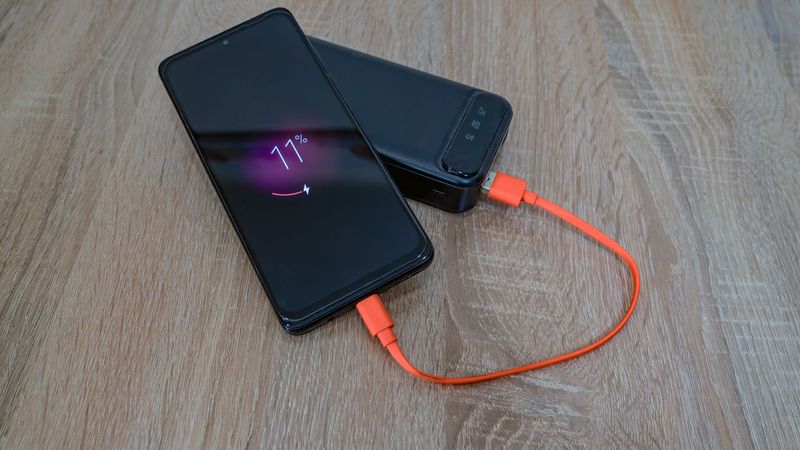
There is a particular flavour of buying decision that happens the morning after a power cut, when the freezer is dripping and the router has been dead for six hours and a portable power station suddenly moves from someday-list to today-list. We wanted to know which of the four units most often shortlisted in the sub-2000Wh bracket actually earns its garage corner across a real domestic blackout, a long weekend in a van and an off-grid overnight on a hillside, so we ran the EcoFlow Delta 2, the Jackery Explorer 1000 Plus, the Bluetti AC180 and the Anker SOLIX F1500 through six weeks of alternating home and field use. The results split the field in ways the spec sheet does not predict.
What We Actually Tested and How
Each unit ran the same rotation of loads. A domestic upright fridge running its normal thermostat cycle for a runtime-to-empty test. A laptop-plus-monitor working setup for a full working day. A car fridge, a string of LED lights, a phone charger and a small induction kettle for a camping weekend. A pass-through test with a 200W folding solar panel plugged in during a British summer day, which is to say patchy sun. And a full recharge from a domestic wall socket with a stopwatch. Ambient temperature during the tests sat between 15 and 24 Celsius, which matters because most of these units throttle their fastest recharge speeds above roughly 30 Celsius.
The Four Units, Honestly Described
The EcoFlow Delta 2 is the unit that most buyers we know eventually own, and it is easy to see why. It packs 1024Wh of LFP battery capacity in a 12kg box, delivers 1800W of continuous AC output with an X-Boost mode that will run higher-wattage kettles at reduced heat, and recharges from empty to 80 percent in 50 minutes on wall power. During the fridge test it ran our test unit for 21 hours before hitting cutoff, and with the fridge and a router and a couple of LED bulbs it managed a full working day and overnight. The app control is genuinely useful, letting you cap the recharge speed to reduce noise from the internal fan, which was the loudest of the four at full charging pace.
The Jackery Explorer 1000 Plus is the unit that has done most to shed the brand's older reputation for hot, short-lived batteries. This is a proper LFP-chemistry unit at 1264Wh with 2000W continuous output, and it is expandable with add-on battery packs to over 5kWh if you buy into the ecosystem. It ran our fridge test for 26 hours, the longest of the four, thanks to its slightly larger battery. Wall recharge from empty to full sat at around 100 minutes, and the fan behaviour was the most restrained of the four, with the unit staying near-silent during solar recharge and only spinning up under heavy AC output.
The Bluetti AC180 is the value pick of the group and the most portable at a shade under 17kg. It offers 1152Wh, 1800W continuous with a Power Lifting mode for resistive loads, and a wall recharge to 80 percent in around 45 minutes. It ran the fridge test for 23 hours. The interface is the least polished of the four, with a small monochrome screen and an app that feels a version behind its competitors, but the raw performance was competitive and the price undercut both the EcoFlow and the Jackery by a meaningful margin in every region.
The Anker SOLIX F1500 is the newest of the four in this class from Anker and pairs their LFP cells with a 1536Wh capacity and 1800W continuous output. It ran the fridge test for 31 hours, the winner of the runtime round by a fair margin, and its wall recharge to full sat at around 90 minutes. What sets the Anker apart in the six weeks was not the battery but the housing, since it survived a knock off a tailgate onto gravel that would have visibly hurt the Bluetti, and the physical build feels a category above the others. All four units, we should note, ship with a 5-year warranty on the battery and unit as of the 2026 lineup, which is now the class standard.
Comparison Table
| Feature | EcoFlow Delta 2 | Jackery Explorer 1000 Plus | Bluetti AC180 | Anker SOLIX F1500 |
|---|---|---|---|---|
| Battery capacity | 1024 Wh | 1264 Wh | 1152 Wh | 1536 Wh |
| Continuous AC output | 1800 W (X-Boost to 2200W) | 2000 W | 1800 W (lifting to 2700W) | 1800 W |
| Battery chemistry | LFP | LFP | LFP | LFP |
| Wall recharge to 80% | 50 minutes | 70 minutes | 45 minutes | 60 minutes |
| Wall recharge to full | 80 minutes | 100 minutes | 90 minutes | 90 minutes |
| Max solar input | 500 W | 400 W | 500 W | 600 W |
| Weight | 12 kg | 14.5 kg | 16.9 kg | 17.5 kg |
| Fridge runtime in test | 21 hours | 26 hours | 23 hours | 31 hours |
| Warranty | 5 years | 5 years | 5 years | 5 years |
| Price US | $649 | $799 | $599 | $999 |
| Price UK | £599 | £749 | £549 | £899 |
| Price AU | AUD $999 | AUD $1249 | AUD $899 | AUD $1499 |
Solar, Noise and the Things That Only Emerge in the Field
Solar recharge is where these four separate honestly. The Anker's 600W maximum input made it the fastest at topping up from a fixed roof or a large folding panel array on a sunny afternoon, and the EcoFlow and Bluetti at 500W each were close behind. The Jackery at 400W was the slowest to recharge from sun, though its slightly larger battery meant it needed refilling less often across a weekend. All four accept common MC4 connectors either natively or with an included adaptor, which means a third-party panel bought separately will usually work. The one wrinkle worth flagging is that maximum solar input specs assume ideal panel voltage matching, and in real British and Australian coastal light the achieved input was closer to 60 to 70 percent of the rated maximum, which is not a fault of the units but of the sun.
Fan noise mattered more in the field than at home. During AC output under moderate load, the Anker and Jackery were the quietest, both effectively background hum at close range. The Bluetti and EcoFlow ramped their fans harder during heavy loads and during fast wall recharge, with the EcoFlow the loudest of the four at 55dB at 30cm during peak wall recharge. In a tent, this is enough to notice. In a garage, it is not.
Real-device runtime is the number worth internalising. Our fridge test used a small upright with a 250L capacity drawing an average of 45W across its thermostat cycle. Your fridge is probably different, and full-size US-market side-by-side fridges will pull two to three times this. For a laptop-and-monitor setup drawing around 60W total, we saw runtimes of 15 hours from the EcoFlow, 18 hours from the Bluetti, 20 hours from the Jackery and 24 hours from the Anker, which lines up with the capacity ranking almost linearly.
Availability and Buying Regionally
All four brands sell into the US, UK and Australia through both Amazon and their own direct sites in 2026. Direct-brand pricing is often better during quarterly sales, and EcoFlow and Bluetti in particular run aggressive promotions around late spring and autumn. Anker's newer arrival to the class means less discount history to draw on, though their standard bundling with a solar panel usually beats the individual-part price. Jackery holds its price the most firmly of the four but also runs the strongest direct-support network in Australia, which is not nothing if you ever need warranty service.
Which One We Would Buy With Our Own Money
The honest answer depends on the primary use. For a household buying a single unit for blackout insurance with occasional camping, the EcoFlow Delta 2 was the six weeks' winner on the balance of fast recharge, useful app, capable inverter and moderate price, and it is the unit we would recommend to a first-time buyer without hesitation. For a heavy user who plans to expand capacity later or wants the longest single-charge runtime, the Anker SOLIX F1500 was the standout on both runtime and build quality, and the price premium is defensible if you will use the extra capacity. The Jackery Explorer 1000 Plus is the ecosystem pick, the right answer if you already own or plan to buy the expansion battery packs. The Bluetti AC180 is the value pick, and if the budget is tight, it does the core job at a real discount without cutting the LFP chemistry or the 5-year warranty.
Do's and Don'ts
| Do's | Don'ts |
|---|---|
| Size the continuous wattage to your peak-draw appliance, kettles and hair dryers commonly need 1500 to 2000 watts | Buy on capacity alone if you rarely need more than 500 Wh, small units are lighter and cheaper |
| Check the recharge time from wall power, some entry-level units take six or more hours | Assume manufacturer runtime numbers, real-world figures are 15 to 25 percent lower once inverter loss is counted |
| Verify solar-input compatibility if you plan off-grid use, look for MPPT input and matching connectors | Chain a high-draw appliance if the continuous rating sits below its draw, the unit trips and cuts power |
| Cycle the unit through a full charge and discharge once a quarter to preserve battery calibration | Store at 100 percent charge for months, LFP prefers a 40 to 80 percent state of charge in storage |
| Use the DC outputs where possible, inverter loss eats 10 to 15 percent when running on AC | Leave the unit in a hot car in summer, LFP tolerates heat better than NMC but neither loves it |
| Match the port set to your devices, twelve volt outputs matter for camping fridges and lights | Overload the USB-C PD port with a laptop that draws more than the port's rating, most cap at 100 watts |
| Register the warranty within thirty days, five-year cover is the class standard now | Assume any battery pack works as a UPS, only units with a specific pass-through spec actually do |
| Check the pass-through wattage rating separately from continuous, some units drop when running while charging | Ignore the inverter fan noise on a spec sheet, some units are silent, others roar at load |
| Test the app functionality before the first trip, phone control matters more off-grid than at home | Trust every marketing "1500 watt" claim, always read whether it is continuous or peak surge |
| Keep the manual and a spare cable in the same bag as the unit, replacements can be regionally hard to source | Discard the original box, some warranties require it for returns on physically damaged units |
Frequently Asked Questions
Are all four of these units really covered for 5 years?
As of the 2026 lineups, yes. EcoFlow, Jackery, Bluetti and Anker all list 5-year warranties on the units and the internal LFP cells for the models tested here. Older stock at clearance prices may carry the shorter 2 or 3-year warranty of previous revisions, so check the box or the seller's listing before buying discounted units.
Will these run a full-size home fridge for a whole outage?

A typical 250L fridge, yes, for between 21 and 31 hours depending on the unit and the ambient temperature. A US-market side-by-side or a 500L family fridge will pull two to three times the wattage and cut runtimes proportionally, so a large fridge household with an existing solar array is a better fit than a stand-alone power station relying only on wall recharge.
Can I recharge them from a car?
Yes, all four accept 12V car socket input, though the recharge time from a car is slow, typically 8 to 12 hours from empty. Car recharge is realistic as a top-up strategy during a long drive to a campsite, not as a primary source.
Do they need special panels or will any solar panel work?
Any panel with MC4 connectors within the unit's voltage window will work. All four ship with or offer adaptors, and third-party 100W to 200W folding panels from established brands are compatible. Check the panel's open-circuit voltage against the unit's input range before buying, since a panel that overshoots the input voltage will not charge and can in extreme cases trip the unit's protection.
Which unit is safest to run indoors during a blackout?
All four are LFP-chemistry sealed units with no combustion, so all are safe to run indoors, and none produce fumes. The practical consideration indoors is fan noise and heat, and the Jackery and Anker were the calmest on both counts during our tests. None of the four should be enclosed in a cupboard while under heavy load, since all rely on ambient airflow to cool the inverter.
- Tags:

Twenty years from now you will be more disappointed by the things that you didn’t do than by the ones you did do. Sail away from the safe harbor.
 Get it on
  Download on the