




There is a specific kind of buyer's remorse that lives in kitchen cupboards, and it looks like a chrome espresso machine used twice and then quietly demoted to weekend duty. We wanted to know which of the four machines most often shortlisted at this price point actually earns its counter space over a month of ordinary weekday mornings, so we ran the Breville Barista Express, the De'Longhi Dinamica Plus, the Sage Bambino Plus and the Nespresso Vertuo side by side for thirty days of two-cup mornings, one afternoon flat white and the occasional weekend guest round. What follows is not a lab report. It is what happens when four machines share the same beans, the same water and the same tired hands at 7am.
Before anything else, a name that catches almost every UK and Australian buyer off guard. Sage and Breville are the same company's machines wearing different badges, with Breville the US name and Sage the name used across the UK, Ireland, Europe and Australia. If you see the Breville Barista Express written up on a US site and the Sage Barista Express sold at John Lewis or David Jones, you are looking at the same machine. Buying both would be an expensive category error, and we mention it here rather than buried at the bottom because the mistake is common enough to matter.
What We Actually Tested and How
We ran each machine on the same medium roast single origin from a UK roaster, ground fresh for the machines that grind and dosed by weight into the pods for the Vertuo where the format allowed. Water was filtered through the same jug for every shot to remove tap variation. We logged warm-up time from cold, time to first drinkable espresso, milk texture from the built-in wand where present, water tank refills per week for a two-person household, and how much cleaning each machine demanded before the counter looked presentable again. Prices below are the settled 2026 street prices in each region, not launch RRP, since the launch numbers on these four all drift downward within six months.
The Four Machines, Honestly Described
The Breville Barista Express, sold as the Sage Barista Express outside the US, is the semi-automatic that most first-time home baristas end up with, and the month confirmed why. It has a built-in conical burr grinder, a proper 54mm portafilter, a single-boiler thermocoil and a steam wand that produces genuinely usable microfoam once you learn its rhythm. Warm-up from cold sat around 45 seconds to the ready light, though we found the first shot of the day tasted noticeably better after a two-minute idle to bring the group head up to temperature. The learning curve is real. The first week's shots were uneven while we dialled in grind size, but by the second week the machine was pulling shots we would happily serve to visiting relatives.
The De'Longhi Dinamica Plus is the bean-to-cup outlier in the group, which is to say you drop beans in the hopper, press a cup icon on a colour touchscreen and walk away. It grinds, tamps and brews inside the machine and delivers espresso, americano, cappuccino or flat white with no barista skill required. The built-in milk carafe attaches to the front and produces respectable, if slightly airy, foam. Warm-up sat around 40 seconds, and total time from press to full cappuccino in cup was under 90 seconds. The trade-off is control. You cannot chase the perfect shot with a Dinamica the way you can with the Barista Express, because the machine has already decided most of the variables for you. For a household where two people want different drinks in the same fifteen-minute window and neither wants to learn latte art, this is the practical answer.
The Sage Bambino Plus is the compact sibling of the Barista Express and the machine we underestimated. It is a 54mm semi-automatic without a built-in grinder, physically smaller than a bread bin, and it warms up in the low twenty-second range thanks to a Thermojet heating system. The steam wand is auto-frothing with manual mode available, and the microfoam it produces was competitive with the Barista Express once we switched to the manual setting. The catch is obvious. You need a separate grinder, which adds cost and counter space, but if you already own one, or you buy pre-ground and accept the compromise, the Bambino Plus punches well above its footprint.
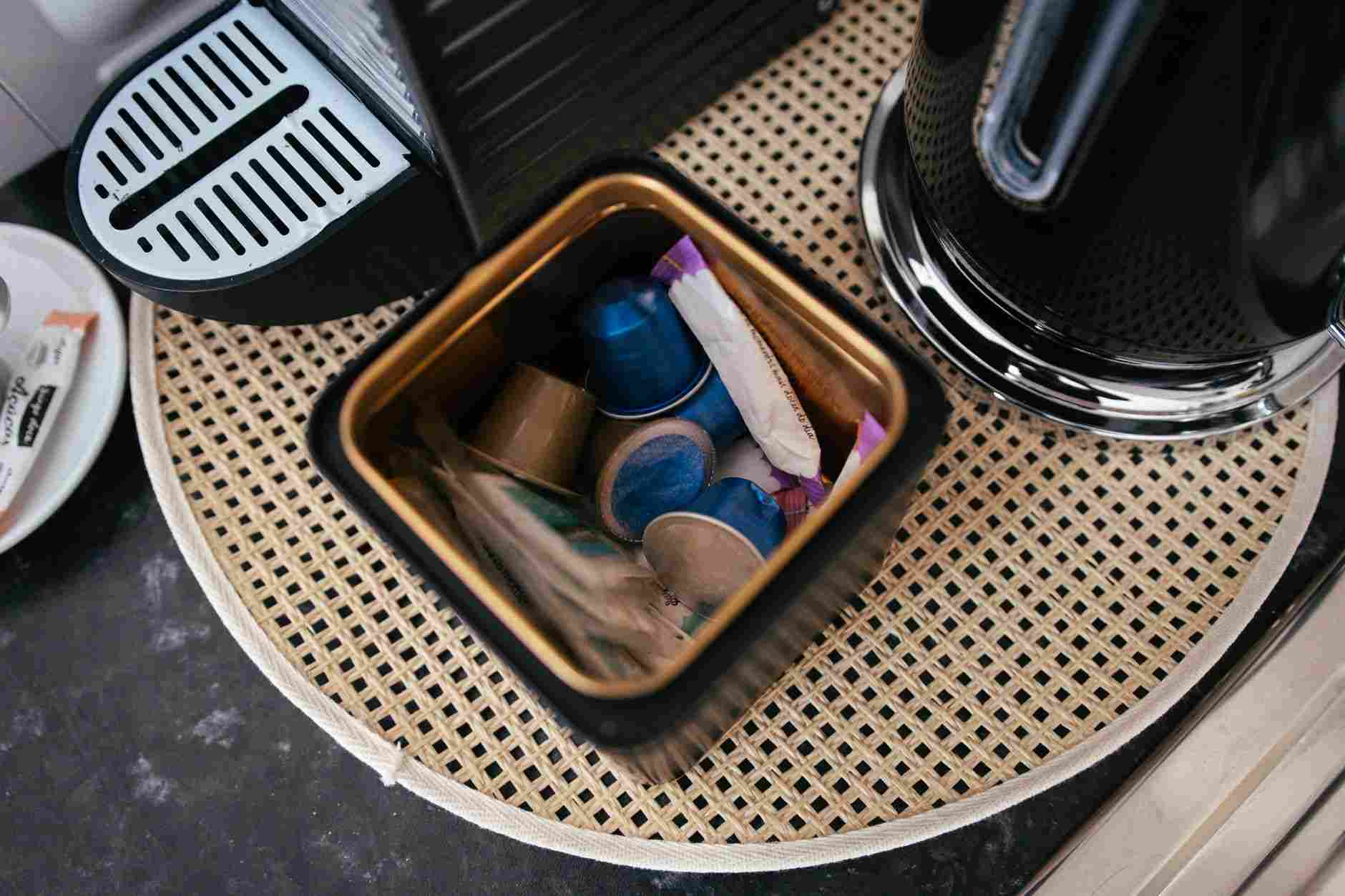
The Nespresso Vertuo is the pod machine in the lineup, and we included it because pretending it does not compete for the same counter space would be dishonest. The Vertuo uses centrifugal extraction on Nespresso's proprietary Vertuo pods and produces a crema-topped shot in around thirty seconds from cold. There is no milk wand, no grinding, no portafilter and no cleaning beyond emptying the pod bin. What it produces is not espresso in the Italian sense but a consistent, drinkable coffee that never lets you down at 6.45am on a Tuesday. The economics are the honest limit. Vertuo pods run around $1.10 in the US, 60p in the UK and $1.30 in Australia per pod, so heavy drinkers can spend the machine's purchase price again in beans-equivalent within a year.
Comparison Table
| Feature | Breville Barista Express | De'Longhi Dinamica Plus | Sage Bambino Plus | Nespresso Vertuo |
|---|---|---|---|---|
| Type | Semi-automatic, grinder built in | Bean-to-cup, fully automatic | Semi-automatic, no grinder | Pod, centrifugal |
| Warm-up from cold | 45 seconds | 40 seconds | 22 seconds | 30 seconds |
| Steam wand | Manual, single-hole | Auto carafe | Auto or manual | None |
| Water tank | 2.0L | 1.8L | 1.4L | 1.2L |
| Portafilter size | 54mm | N/A | 54mm | N/A pod |
| Price US | $699 | $999 | $499 | $229 |
| Price UK | £649 (Sage badge) | £799 | £449 (Sage badge) | £190 |
| Price AU | AUD $999 (Sage badge) | AUD $1499 | AUD $649 (Sage badge) | AUD $299 |
| Warranty | 2 yr US, 2 yr UK, 2 yr AU | 2 yr | 2 yr | 2 yr |
| Best for | Learning barista skills | Multi-drink households | Small kitchens with a grinder | Speed and zero fuss |
Milk, Cleaning and the Small Things That Decide the Winner
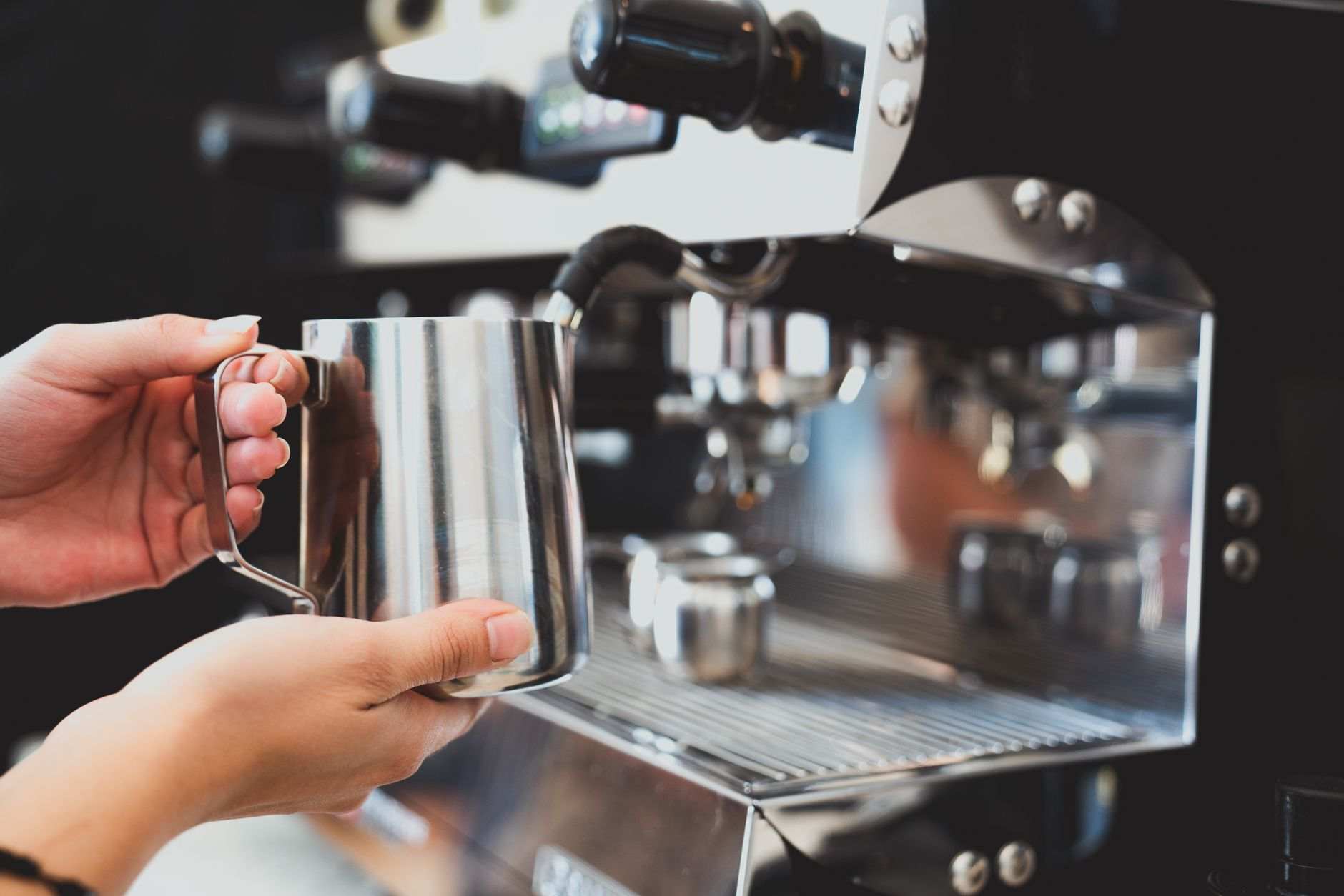
Milk texture separates these four faster than any spec sheet. The Barista Express and Bambino Plus in manual mode produced the tightest microfoam, capable of pouring a hearts-and-tulips latte if the hand cooperates. The Dinamica's carafe was reliable and hands-off, but the foam had a slightly stiffer, more airy quality that read fine in a cappuccino and less well in a flat white. The Vertuo produces no milk at all without a separate frother, which for a household that drinks milk-based coffee is a hidden cost of ownership.
Cleaning burden mattered more than we expected. The Vertuo needed nothing beyond a weekly pod-bin empty and a monthly descaling cycle. The Bambino Plus was similarly low effort, since without a built-in grinder there was no grinds tray to empty. The Barista Express asked for daily wand purging, a weekly burr tray brushdown and a monthly backflush, all straightforward once habitual. The Dinamica sits in the middle, with a self-cleaning cycle that runs on start-up and shutdown, though the milk carafe must go in the fridge between uses and be disassembled for a proper wash every couple of days.
Water tank capacity shaped the refill rhythm in a two-person household. The Barista Express's 2.0L tank stretched to about four days. The Dinamica's 1.8L tank managed three. The Bambino Plus and Vertuo, at 1.4L and 1.2L respectively, wanted refilling every second morning. None of this is a dealbreaker, but if your machine will live far from a tap, the difference between four days and two days of tank life is felt.
Spare Parts and the Long View
We rang round parts availability in each region because this is the boring question that decides whether a machine is a five-year purchase or a two-year purchase. Breville and Sage share a global parts network, and gaskets, shower screens, portafilter baskets and steam wand tips are stocked by both the manufacturer and third-party retailers in all three markets. De'Longhi parts are widely available in the US and UK, slightly thinner in Australia, though the major service centres carry the wear items. Nespresso runs a first-party service model in all three regions with an out-of-warranty repair or trade-in program that is cheap enough to make third-party parts moot. The Bambino Plus deserves a specific mention here, since its Thermojet element is user-replaceable with basic tools and a spare costs less than a service call.
Which One We Would Buy With Our Own Money
If we were furnishing a kitchen from scratch and wanted a machine that would still please us in year five, the Breville Barista Express, or the Sage Barista Express by its other name, was the month's honest recommendation for most buyers, because it puts the whole espresso workflow inside one enclosure at a price that leaves budget for good beans. For the household that will not tolerate a learning curve, the De'Longhi Dinamica Plus does the job without argument. For the small kitchen with an existing grinder, the Sage Bambino Plus is the underappreciated pick. And for the buyer who values speed and consistency above craft, the Nespresso Vertuo is honest about what it is and delivers it every morning without complaint.
Do's and Don'ts
| Do's | Don'ts |
|---|---|
| Buy last year's model at launch of the new one, the discount is often 25 to 30 percent | Buy on bar-pressure headline numbers alone, extraction quality has almost nothing to do with them |
| Buy a burr grinder before or alongside the machine, grind quality drives most of the shot | Reuse pre-ground supermarket coffee in a real machine, it is stale within a day of opening |
| Use a bottomless portafilter for the first month to spot channelling early | Skip the seasoning shots after descaling, the first shot always tastes off |
| Descale on the manufacturer's recommended schedule, not when the light comes on | Use tap water in a hard-water area, scaling eats the boiler and voids warranty on some models |
| Match the milk pitcher size to what you make, a 350 ml jug is right for a single latte | Try to steam directly from the carton, the wand needs to submerge and swirl freely |
| Buy from a retailer with a demonstration, spend twenty minutes making a shot before you commit | Assume warranty covers descaling neglect, it does not on any of the four here |
| Run at least three shots on the first morning to warm the group head thoroughly | Chase third-wave espresso taste from a pod machine, the physics will not allow it |
| Choose the machine that matches your speed needs, a Bambino heats in 3 seconds, the Barista in 30 | Ignore the drip tray depth, shallow trays overflow on lattes and stain the counter |
| Weigh the beans and the shot on a small kitchen scale, dose in and yield out matter | Trust the built-in tamper on entry-level machines, tamp pressure varies wildly by hand |
| Set aside a fixed monthly budget for beans, freshly roasted from a local roaster beats grocery every time | Buy a Nespresso and expect to save money against a good cafe habit over three years, the pod maths does not work |
Frequently Asked Questions
Is Sage really the same as Breville outside the US?
Yes. Sage is the trading name used by Breville in the UK, Europe and Australia, and the machines are physically and functionally identical to their US Breville-badged counterparts. The warranty terms and included accessories are usually identical too, so cross-referencing US reviews for UK or AU purchases is safe.
Can I use pre-ground coffee in the Barista Express or Bambino Plus?
Yes on both, though the Barista Express is designed around its built-in grinder and the results with supermarket pre-ground are noticeably flatter. If you plan to buy pre-ground exclusively, the Bambino Plus is the more sensible pick, since you are not paying for a grinder you will not use.
How much do Vertuo pods work out per year for one drinker?
At one pod per day, expect around $400 in the US, £220 in the UK and AUD $475 in Australia. Two-cup mornings double that. This is the calculation that pushes some Vertuo owners toward a Bambino Plus and a bag of beans within eighteen months.
Does the Dinamica Plus make actual espresso or just long coffee?
It makes both, with dedicated espresso and americano programs alongside the milk drinks. The espresso is respectable rather than exceptional, since the machine cannot match the pressure profile control of a proper semi-automatic, but for a fully automatic bean-to-cup at this price it is competitive.
Which machine is quietest?
The Vertuo, by a clear margin, because it has no grinder. Among the others, the Bambino Plus is the quietest thanks to its small footprint and simpler pump, and the Dinamica is the loudest because its grinder runs before every drink. In a flat with a sleeping partner behind a thin wall, this matters more than the spec sheet suggests.
- Tags:

Twenty years from now you will be more disappointed by the things that you didn’t do than by the ones you did do. Sail away from the safe harbor.
 Get it on
  Download on the