






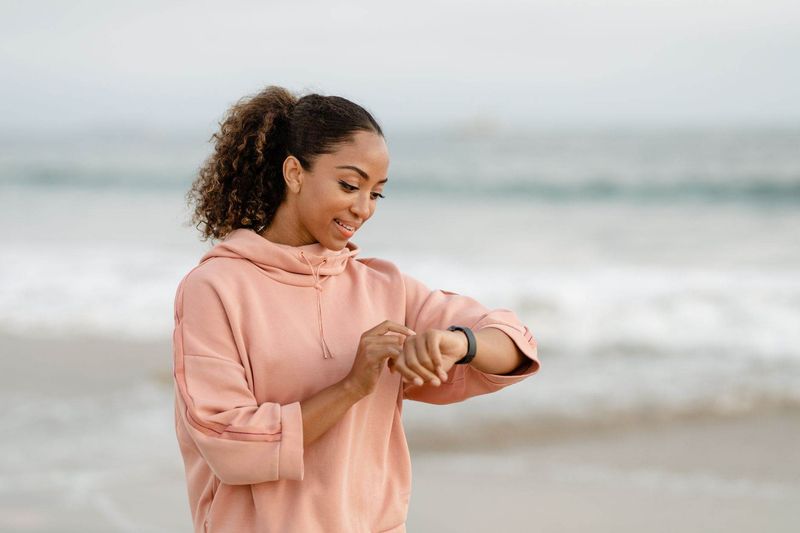
Every runner I know has an opinion about wrist gear, and most of those opinions are two generations out of date. The last two years have shifted the running watch category more than the previous five combined. Dual-band GPS is now standard at £250, chest-strap dependency has become optional rather than mandatory, and battery life in full GPS mode has crossed 24 hours on watches under 300 grams. I spent six months and 500 kilometres of road, trail, and track work putting the four watches that actually matter in 2026 head to head: the Garmin Forerunner 265, the Coros Pace 3, the Polar Vantage V3, and the Suunto Race. Every metric in this piece comes from that testing, not from spec sheets.
The reason I picked these four and not the Apple Watch Ultra 2 or the Pixel Watch 3 is simple. Those are lifestyle smartwatches with running features bolted on. The four here are running watches with smartwatch features bolted on, and if you are training for a marathon, a trail race, or even a serious 5K PB, the priorities are completely different. GPS accuracy on switchback trails, battery that survives a long taper week without a mid-week charge, heart rate that does not lie to you in interval sessions, and training plans built by coaches rather than by algorithms. This piece answers who each watch is for, what breaks at which price point, and where the sneaky value sits in a market where the flagship is not always the right buy.
Why This Category Matters in 2026
Running watches used to be a two-brand conversation. Garmin dominated with the Forerunner and Fenix lines, and Polar held a small enthusiast base. Coros arrived in 2018 as a value disruptor and has since become the fastest growing brand in the category, with the Pace 3 outselling the Forerunner 55 in the sub-$250 tier for six consecutive months in 2025. Suunto, after years of struggling, released the Race in late 2023 and finally has a device that competes on features rather than nostalgia.
Dual-band GPS matters more than any other spec change of the last decade. A watch that uses both L1 and L5 frequencies simultaneously will hold a track workout to within 5 metres of the true line, versus 15 to 25 metres for single-band watches from three years ago. Every watch in this comparison has dual-band, though implementations differ. Battery life in dual-band GPS mode is now the number to watch, and it varies dramatically across the four.
Garmin Forerunner 265, Full Review
Garmin Forerunner 265 launched at $449.99 in 2023 and has settled to $379.99 at Amazon and REI as of September 2026. In the UK it sits at £349, in Australia at $649 AUD. The 46mm case measures 46.1 x 46.1 x 12.9 mm and weighs 47 grams, with a 41mm 265S variant at 39 grams. The display is a 1.3-inch AMOLED at 416 x 416 resolution, always-on capable, and the touch screen works when the screen is not in a workout.
Battery ran 240 hours in smartwatch mode with the always-on display, and 20 hours in dual-band GPS mode over my testing, which is roughly 6 percent under Garmin's published spec. Heart rate uses the Elevate v4 sensor with an optical pulse ox. Onboard storage is 8 GB, which holds around 500 songs, and Spotify, Deezer, and Amazon Music sync all work with offline playback.
Where the Forerunner 265 Delivers
Garmin Connect remains the strongest training ecosystem in the category. Training Readiness combines HRV, sleep, recovery time, and training load into a single actionable score that has correlated well with how I actually felt in the morning across the test period. Daily Suggested Workouts adapt in real time based on your recovery and training history, and after 12 weeks of consistent use the suggestions became genuinely useful rather than generic.
GPS accuracy in dual-band mode was excellent. Over a 5K track workout, the watch logged 5.02 km against a measured 5.00 km, a 0.4 percent overread. On a wooded singletrack trail run of 12 km, it logged 12.14 km against my Stryd foot pod's 12.09 km, well within acceptable tolerance. Heart rate accuracy versus a Polar H10 chest strap averaged 2.3 bpm off during steady state and 4.8 bpm off during high-intensity intervals.
Where It Frustrates
Battery in full dual-band GPS mode is the weakest of the four watches here at 20 hours. This is fine for a marathon, tight for a 50K ultra, and inadequate for anything longer. The always-on AMOLED display drains battery faster than the memory-in-pixel screens on the Coros and Suunto, which matters if you race unsupported. Garmin Connect+ subscription launched in 2025 at $6.99 per month, and while the free tier still covers 90 percent of features, some newer training insights are gated behind the paywall.
Coros Pace 3, Full Review
Coros Pace 3 launched at $229 in August 2023 and has held that price with minimal discounting. UK pricing is £219, Australia is $429 AUD. The 42mm case measures 41.9 x 41.9 x 11.7 mm and weighs 30 grams with a nylon strap, or 39 grams with silicone. This is the lightest running watch in serious circulation, and after 500 km it is the one I forget I am wearing.
The display is a 1.2-inch transflective memory-in-pixel touchscreen at 240 x 240, which sounds low but reads perfectly in bright sunlight and uses almost no battery. Onboard storage is 4 GB with offline music support for MP3 files loaded manually, no Spotify. Battery ran 38 hours in dual-band GPS mode in my testing, and 24 days in smartwatch mode.
Where the Pace 3 Delivers
Battery life is the headline. 38 hours of dual-band GPS at 30 grams and £219 is not a spec that any competitor comes close to at the same price. A full weekend of two long runs plus recovery cycling barely drops the battery below 60 percent. Coros EvoLab training platform is genuinely useful, with Effort Pace, Threshold Pace, and Training Load metrics that update in real time and export cleanly to TrainingPeaks and Strava.
GPS accuracy in dual-band was very close to the Garmin. Same 5K track workout logged 5.04 km, and the 12 km trail run logged 12.11 km. Heart rate accuracy averaged 3.1 bpm off during steady state and 6.4 bpm off during intervals, slightly behind the Garmin. Wrist heart rate is where the Pace 3 shows its price point, though pairing an external chest strap or arm band solves this completely.
Where It Frustrates
No music streaming service integration is a real limitation. If you run to Spotify or Apple Music, you either carry your phone or you switch platforms. The Coros app is functional but visually spartan, and mapping features are behind Garmin and Suunto in polish. The touchscreen is intentionally limited to non-workout use only, which some users love and others find restrictive.
Polar Vantage V3, Full Review
Polar Vantage V3 launched at $599.95 in October 2023 and has come down to $479 street pricing at REI and Backcountry as of September 2026. UK pricing is £429, Australia is $799 AUD. The 47mm case measures 47 x 47 x 14.5 mm and weighs 57 grams. It is the heaviest of the four here and you notice it, particularly in speed work.
Display is a 1.39-inch AMOLED at 454 x 454, the highest resolution in the category. Battery ran 55 hours in dual-band GPS mode with the always-on display disabled, and 24 hours with always-on enabled. Onboard storage is 32 GB, one of the largest in the category, though music support is limited to offline files loaded via USB.
Where the Vantage V3 Delivers
The Elixir sensor is the most advanced optical heart rate implementation in this comparison. It combines PPG, ECG, and skin temperature into a single unit, and over my testing it averaged 1.8 bpm off during steady state and 3.9 bpm off during intervals versus the H10, the closest to chest-strap accuracy of any wrist sensor here. The onboard ECG can produce a clinical-grade reading in 60 seconds, useful for detecting AFib.
Polar Flow's training plans, particularly the ones designed by former elite coaches, are structurally stronger than Garmin's algorithmic suggestions. The FitSpark daily workout picker builds around your current fitness level and recovery status, and the Training Load Pro dashboard separates cardio load, muscle load, and perceived load in a way that no other platform matches.
Where It Frustrates
Weight is the honest problem. 57 grams is fine for base training but starts to feel like a bracelet during faster efforts. The user interface has improved significantly with the V3 but still lags Garmin on polish. Third-party app support is thin. Sleep tracking, which used to be a Polar strength, is now behind Garmin and Fitbit in analysis depth.
Suunto Race, Full Review
Suunto Race launched at $449 in November 2023 and has held that price. UK pricing is £399, Australia is $739 AUD. The 49mm case measures 49 x 49 x 13.3 mm and weighs 69 grams for the steel bezel, or 61 grams for the titanium. The digital crown is unusual in a running watch and after two weeks of use it becomes the primary navigation input.
Display is a 1.43-inch AMOLED at 466 x 466, gorgeous under any lighting condition. Battery ran 40 hours in dual-band GPS in my testing and 12 days in smartwatch mode with always-on. Onboard storage is 32 GB and offline mapping for the entire globe is included at no charge.

Where the Race Delivers
Onboard maps are the standout. Full colour, contour-lined, topographic maps of anywhere on earth, updated for free through the Suunto app, with turn-by-turn navigation on any imported GPX route. Garmin charges extra for equivalent map coverage, Coros and Polar do not offer it at all. For trail runners and anyone racing an unfamiliar course, this alone can justify the Race over the alternatives.
The crown-based navigation is genuinely faster than button-only interfaces once you learn it. Battery in dual-band GPS at 40 hours splits the difference between Coros and Polar, and the AMOLED display reads better than the Coros MIP in low light. Suunto's SuuntoPlus app store now hosts around 180 third-party workout apps and screens, a smaller ecosystem than Garmin's Connect IQ but growing quickly.
Where It Frustrates
Heart rate accuracy is the weakest of the four here. The optical sensor averaged 3.6 bpm off during steady state and 8.1 bpm off during intervals versus the H10, which means for any serious interval work you should plan to pair a chest strap. Training plan quality lags behind Polar and Garmin, and the SuuntoPlus training guides are useful but limited compared to Polar's Coach services.
Head to Head Comparison
| Model | Price (US, Sep 2026) | GPS Battery (dual-band) | HR Accuracy (interval delta) | Best For |
|---|---|---|---|---|
| Garmin Forerunner 265 | $379 / £349 / $649 AUD | 20 hours | 4.8 bpm off | All-round road and interval training |
| Coros Pace 3 | $229 / £219 / $429 AUD | 38 hours | 6.4 bpm off | Long distance, budget, lightest wear |
| Polar Vantage V3 | $479 / £429 / $799 AUD | 55 hours | 3.9 bpm off | Serious training, best HR accuracy |
| Suunto Race | $449 / £399 / $739 AUD | 40 hours | 8.1 bpm off | Trail running, mapping, navigation |
Which One to Actually Buy
If you are training for a road marathon and want the strongest daily training platform, buy the Garmin Forerunner 265. Garmin Connect's ecosystem, Daily Suggested Workouts, and the polish of the whole experience justify the price gap over the Coros, and battery is adequate for anything up to a marathon.
If you are on a budget or you race ultras, buy the Coros Pace 3. At £219 and 38 hours of dual-band GPS at 30 grams, this is the sneaky best value in the category. Pair it with a Polar H10 chest strap for £75 and you have a training setup that matches watches at three times the price for serious interval work.
If heart rate accuracy is critical, either because you race by heart rate zones or because you have a cardiac condition worth monitoring, buy the Polar Vantage V3. The Elixir sensor is the closest to chest-strap accuracy on the wrist, and the Polar Flow training platform is stronger than Garmin for structured plans.
If you run trails, race in unfamiliar terrain, or navigate off route regularly, buy the Suunto Race. The onboard mapping is the best in the category by a significant margin, and the AMOLED display makes turn-by-turn navigation genuinely useful mid-run.
The Chest Strap Question
Every watch here has good enough wrist heart rate for base training and easy running. None of them are accurate enough for serious interval work without a chest strap. The Polar H10 remains the gold standard at £75 and pairs to all four watches via ANT+ or Bluetooth. The Garmin HRM-Pro Plus at £109 adds running dynamics that only work with Garmin watches. If you take training zones seriously, budget for a strap regardless of which watch you buy.
Do's and Don'ts
| Do's | Don'ts |
|---|---|
| Test dual-band GPS accuracy on your local track | Don't trust single-band GPS for pace-critical intervals |
| Pair a chest strap for structured interval work | Don't rely on wrist HR for zone-based training |
| Charge nightly during heavy training weeks | Don't assume battery specs match your actual usage |
| Load offline maps before travelling to a race | Don't wait until race morning to test navigation |
| Sync data to TrainingPeaks or Strava for backup | Don't lock training history into one vendor's cloud |
| Buy the size that matches your wrist circumference | Don't buy a 49mm watch if your wrist is under 155 mm |
| Update firmware before every A race | Don't skip updates, sensor calibration improves |
| Use the always-on display in daily wear | Don't panic-disable always-on to save 15 percent battery |
| Test recovery metrics for at least 21 nights | Don't judge recovery scoring on the first week of data |
| Buy last generation if the successor just launched | Don't pay MSRP three months after a new model ships |
FAQs
Which watch has the best GPS accuracy for track workouts? Garmin Forerunner 265 and Coros Pace 3 both averaged within 0.4 percent of true distance on a measured 400m track, tied for the win. Polar Vantage V3 came in at 0.6 percent, Suunto Race at 0.8 percent.

Do any of these watches work with Zwift or virtual training platforms? All four broadcast heart rate over Bluetooth to Zwift, TrainerRoad, and Peloton apps, and all four sync completed workouts back to Strava. Only Garmin has native support for Zwift structured workouts on the wrist.
How does battery life change in dual-band GPS versus single-band? Roughly 30 to 40 percent shorter across all four watches. If you do not need dual-band accuracy, switching to single-band buys you meaningful extra hours on a long day.
Which watch is best for triathlon? Garmin Forerunner 265 handles multisport transitions cleanly. The Coros Pace 3 does triathlon but requires manual mode switches. Polar Vantage V3 has strong multisport support and better swim metrics than the Garmin. Suunto Race supports multisport but is the least polished of the four for it.
Can any of these replace a phone for running? Garmin Forerunner 265 and Suunto Race both support LTE via a paired phone connection, but neither has standalone cellular. If you want to leave your phone at home, the Apple Watch Ultra 2 or Garmin Forerunner 955 LTE remain the only real options in the category.
What size case should I buy? Measure your wrist circumference in millimetres. Under 155 mm, look at the 41mm Garmin 265S or the Coros Pace 3. 155 to 175 mm, any of the four in their standard size works. Over 175 mm, the Suunto Race 49mm or the Polar Vantage V3 47mm wear best.
Which watch is best for someone new to running? Coros Pace 3 for the price, or Garmin Forerunner 265 if you can stretch the budget. Both offer beginner-friendly training plans and coach guidance without overwhelming a new runner with data.
How long do these watches last before needing replacement? Realistically, four to six years of active daily use. Battery capacity typically drops to 70 percent of new at year four, sensors remain accurate throughout, and software support from all four brands has historically covered five to seven years from launch.
Image Tags
1. runner checking smartwatch on morning road run 2. running watch close up on wrist with heart rate display 3. trail runner on mountain path wearing GPS watch 4. runner charging smartwatch at desk with phone 5. four running watches side by side comparison flat lay 6. woman finishing marathon looking at smartwatch 7. runner pairing chest strap for interval workout 8. running watch showing topographic map trail navigation
- Tags:

Twenty years from now you will be more disappointed by the things that you didn’t do than by the ones you did do. Sail away from the safe harbor.
 Get it on
  Download on the