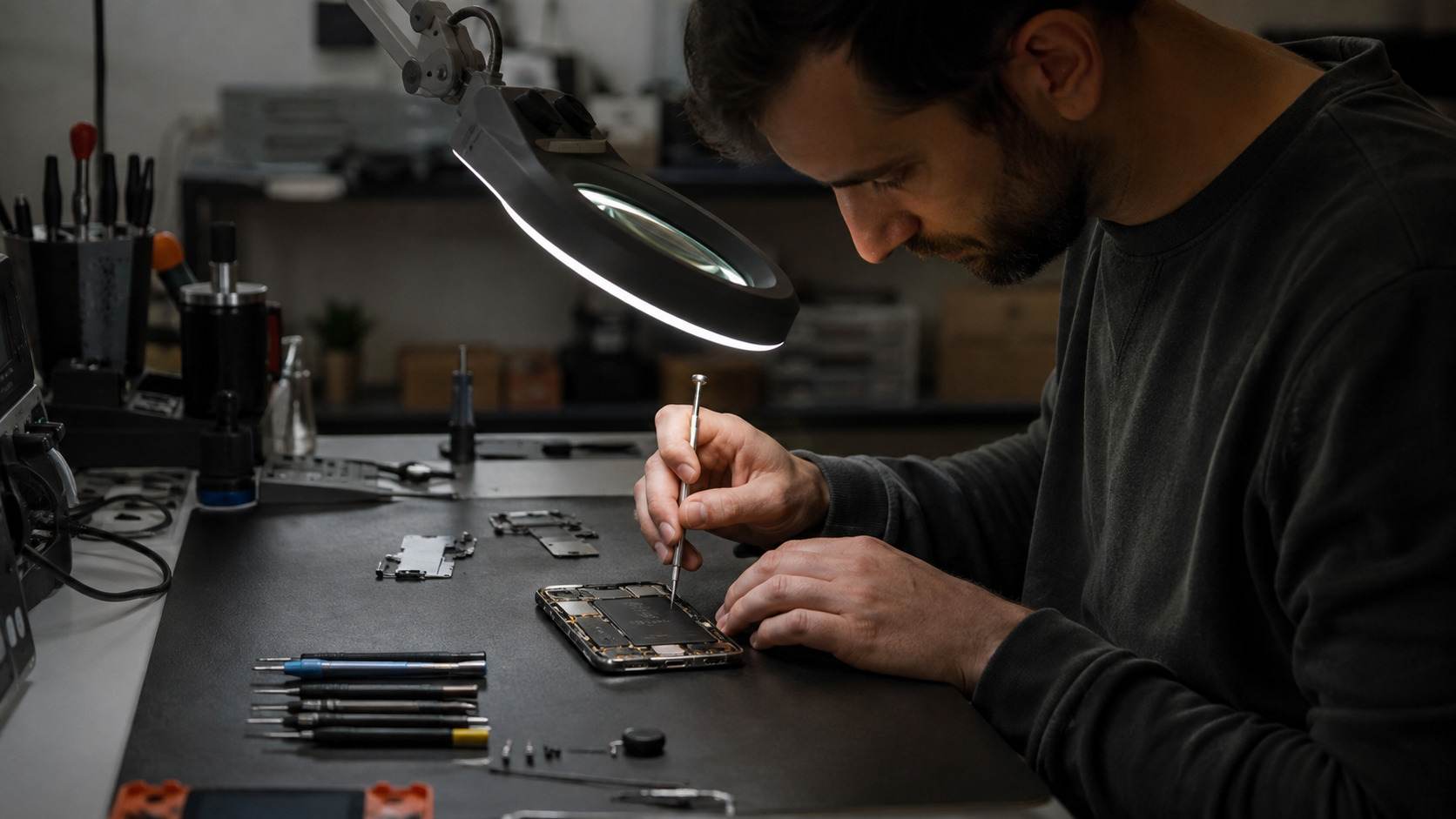
Phone reviewers meet devices at their best, in launch week, under studio lights. Repair technicians meet them two years later, drowned, dropped, swollen, and mysteriously dead, in volumes that turn anecdotes into statistics. Over recent months we spoke with technicians at independent repair shops and authorised service counters in both the US and UK, asking what they wish customers knew before buying, and their answers were strikingly uniform, occasionally at odds with marketing, and immediately useful. As with our conversations with TV salespeople, this is informal collected wisdom rather than a study, but when people who fix phones for a living keep repeating the same six things, the repetition is the finding.
Myths at the Counter vs What Technicians Say
What customers believe
What the counter sees
My phone died suddenly
The battery had been dying for a year
Water resistance means waterproof
Corrosion arrives weeks after the swim
Screens are the fragile part
Back glass now breaks as often and costs more
Cheap protectors and cases are pointless
They prevent most of the shop's business
Overnight charging is fine everywhere
Heat under a pillow is a battery's worst life
All phones repair the same
Repair cost and ease vary wildly by model
The Six Things, in Their Words
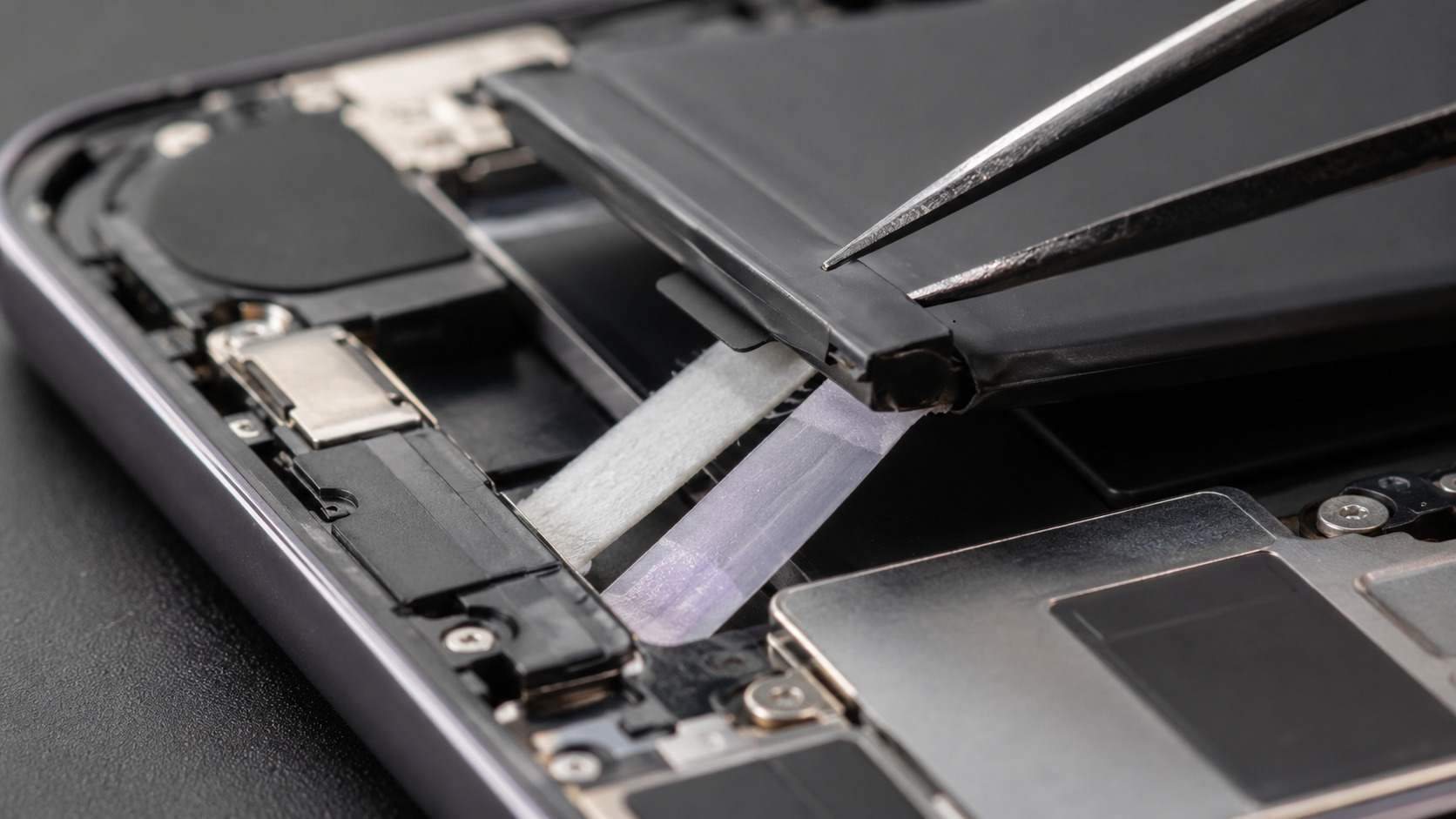
The first message from every counter was the battery gospel our lifespan guide preaches from the outside. Most sudden phone deaths are not sudden, technicians say, but the final chapter of a battery that spent a year swelling, sagging, and stressing the electronics around it, and the $79 to $99 replacement at year two or three is the difference between a phone that serves six years and one that fails at three. Several technicians volunteered the same corollary, which is that they check battery health on their own phones monthly and replace without sentiment at 80 percent, and that customers who did the same would halve the counter's traffic.
The second message corrects the most expensive misunderstanding in the shop, the swimming pool photo session. Water resistance ratings describe sealed new phones in laboratory fresh water, not two year old phones with tired gaskets in chlorine or salt, and the cruellest part is the delay, since water incidents present weeks later as creeping corrosion long after the phone seemed to survive. The technicians' own rule is unanimous and unglamorous. The rating is for accidents, not activities.
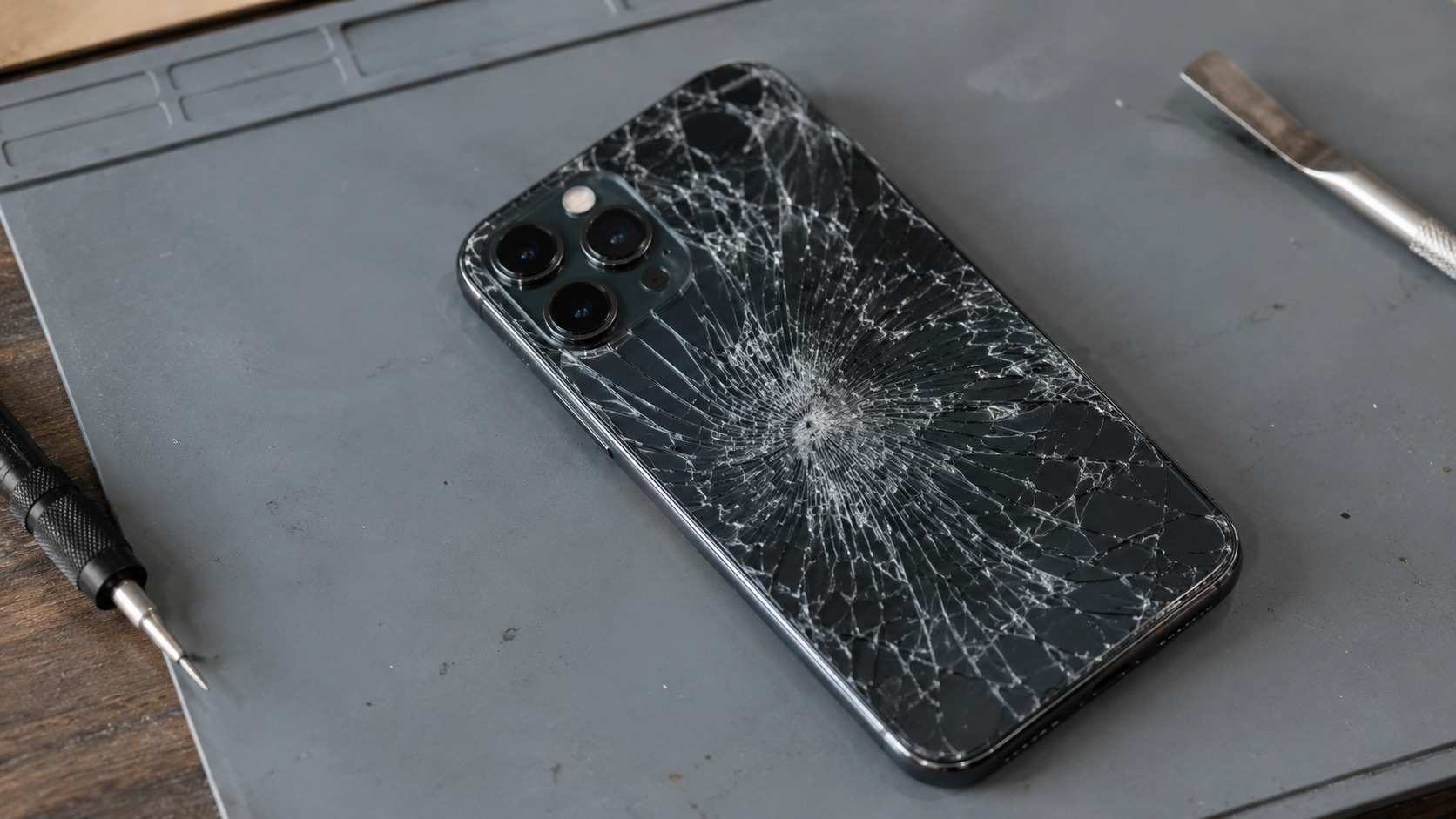
The third and fourth messages pair together. Modern flagships wrapped in glass on both sides now break their backs as often as their fronts, with back glass repairs frequently costing more, which is why the counter staff, who can fix anything, all carry cased phones with cheap screen protectors, an irony they find genuinely funny. The case recommendation came with a specific edit, that any decent case from a known brand at $15 to $30 performs the job, and the premium case market is fashion, which is fine, as long as it is bought as fashion.
The fifth message concerns heat, the quiet battery killer behind the loud drop stories. Charging under pillows, dashboard mounts in summer sun, and gaming while fast charging all cook the component that determines the phone's lifespan, and the technicians' habits mirror the charging limit advice our longevity guide gives, with several noting that the built in optimised charging features exist precisely because the manufacturers know it too.
The sixth message is the buying advice proper, and it is the one reviewers never give. Phones vary enormously in what they cost to fix, in whether parts are available to independent shops, and in how much disassembly a simple battery swap demands, and the technicians check repairability scores and battery replacement pricing before buying anything, treating them as core specifications. A phone that is $100 cheaper but costs $150 more per repair, one UK technician observed, is not cheaper for most of the people he meets. Their collective buying pattern, for what it is worth, leaned toward mainstream models from the biggest brands precisely because parts, guides, and pricing are established, which pairs neatly with the trade in and resale realities our companion piece on what happens to your old phone explores.
The counter's whole philosophy compresses into a sentence one technician offered as we left, and it deserves to end the piece. People research phones for weeks and their phone's death for an afternoon, he said, and it should be the other way around, because the death is where all the money is.
Frequently Asked Questions
How do I check my battery's health and when should I replace it? Both major platforms show battery health or equivalent cycle information in settings. Technicians converge on 80 percent capacity or noticeable daily fade as the replacement trigger, typically arriving in year two or three, and the repair is the best value in phone ownership.
Is water damage ever covered by warranty? Standard warranties exclude liquid damage almost universally, and internal indicators reveal it, so honesty at the counter saves time. Insurance and some premium coverage plans do include it, which is worth knowing before, not after, the pool.
Are independent repair shops safe, or should I only use official service? Technicians on both sides gave the same nuanced answer. Official service guarantees parts and preserves every software feature, while good independents cost less and work faster, with the caveat that some models pair components to the phone in ways that limit third party parts. For anything under warranty or insurance, official first. Out of warranty, a reputable independent is a fine choice.
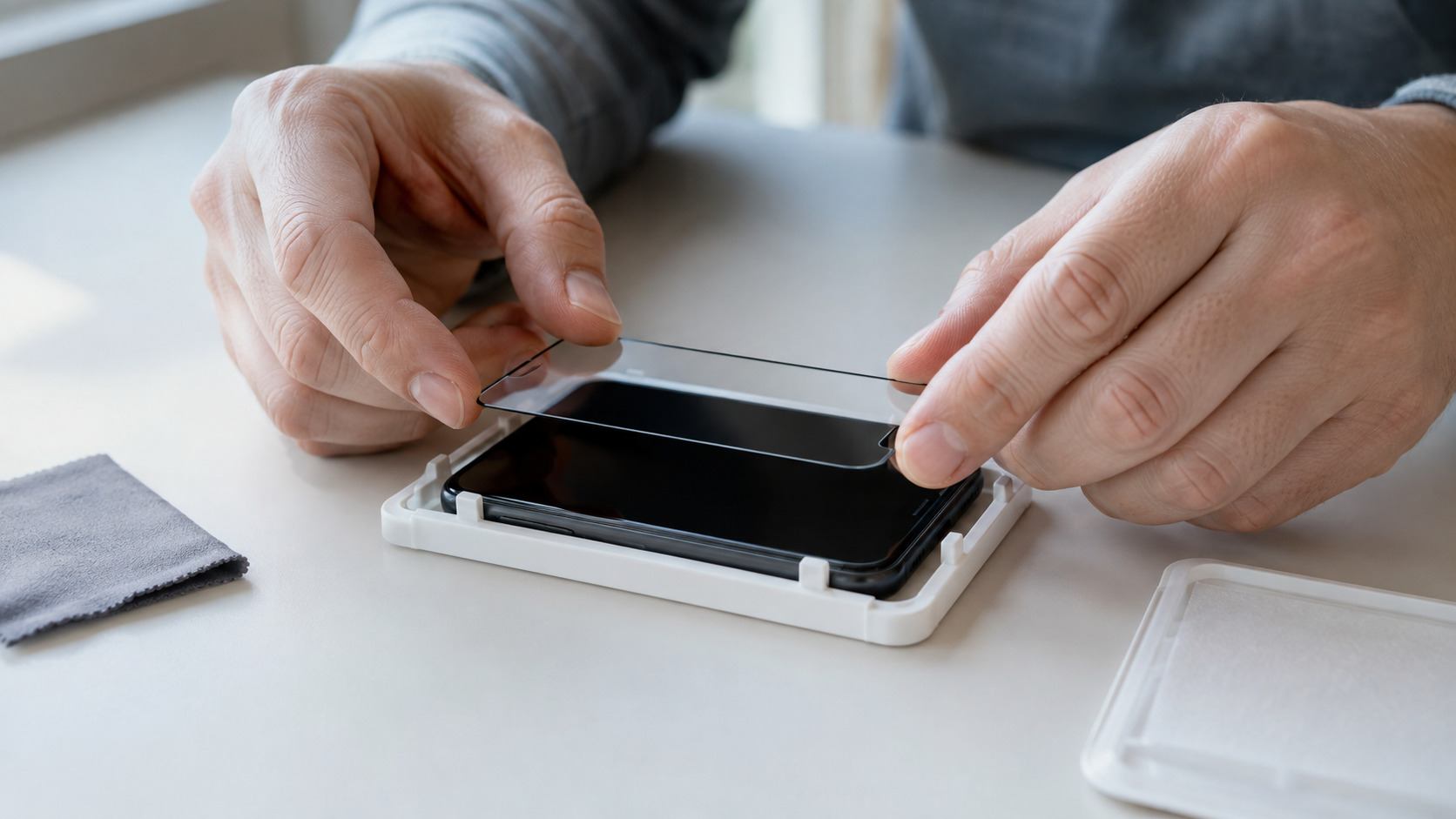
Do screen protectors actually do anything on modern glass? Yes, and the counter is emphatic about it. Modern cover glass resists cracking better but scratches from sand and keys still start the fractures that drops finish, and a $10 protector absorbs that career of abuse. It remains the highest return $10 in phones.
Which phones are cheapest to keep repaired? As a pattern, high volume mainstream models from the largest brands, where parts markets are deep and pricing is published, and phones with published repair programs and reasonable battery service costs. Foldables and exotic designs sit at the expensive end of every counter's price list, which buyers should price before falling in love.
Is overnight charging actually harmful? On a bedside table with the phone's optimised charging enabled, it is fine, and the software holds the battery kindly until morning. Under a pillow or duvet it is the heat, not the hours, that does the damage, and every technician we asked charges in open air.
We use cookies to see which reviews and buying guides readers find useful, so we can keep improving them. Accept analytics cookies, or carry on with essential ones only. See our Cookie Policy.












 Get it on
  Download on the