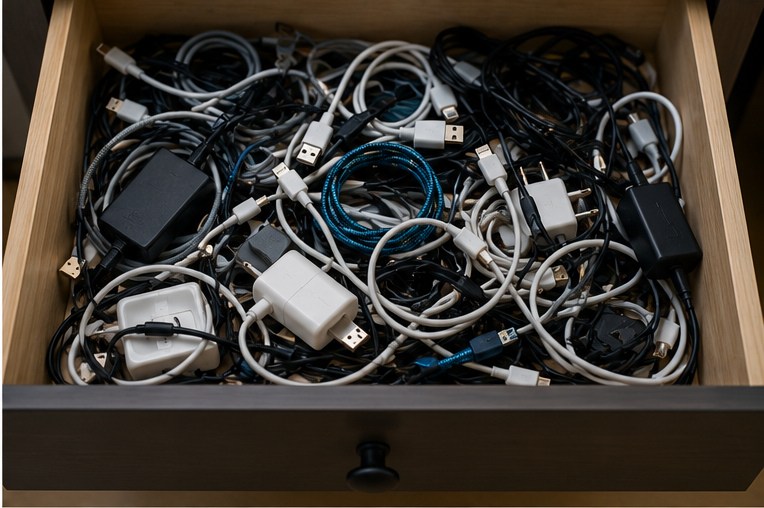
The audit that started everything found nine different connector types feeding one ordinary household. Two generations of phone plugs, micro USB on a shameful number of accessories, three laptop bricks that fit nothing but their laptops, a camera charger, a cradle for a watch, and a drawer that had become an archaeology site of cables kept against imagined emergencies. Meanwhile regulators had already called time on the chaos, with common charger rules in Europe and the UK's parallel direction pushing the entire industry onto USB C, and the newest devices in the house all sharing that one oval port. So we made the household decision the industry was making anyway, just deliberately. One year, one connector, and every purchase and retirement bent toward it.
Twelve months later the house charges from one cable type, travel packing is a single small pouch, and the drawer is empty. Here is the honest account, including what resisted.
Before and After
Location
Before
After
Kitchen counter
Three chargers, three cable types
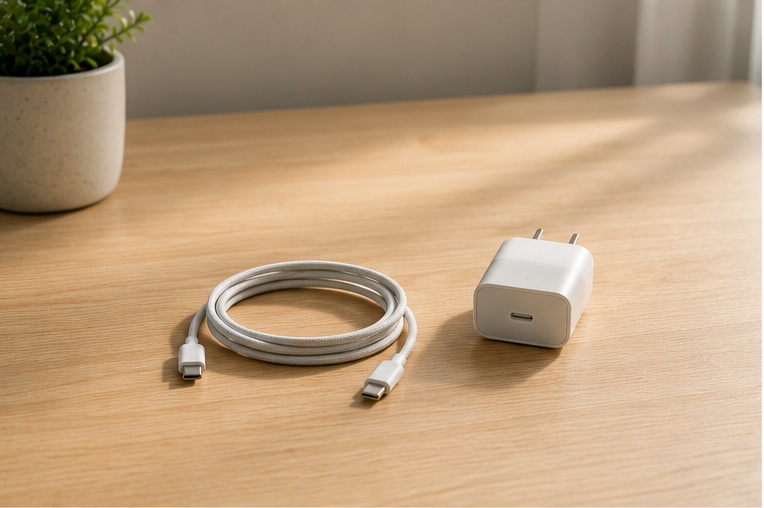
One dual port GaN charger, two USB C cables
Home office
Laptop brick, phone lead, micro USB accessories
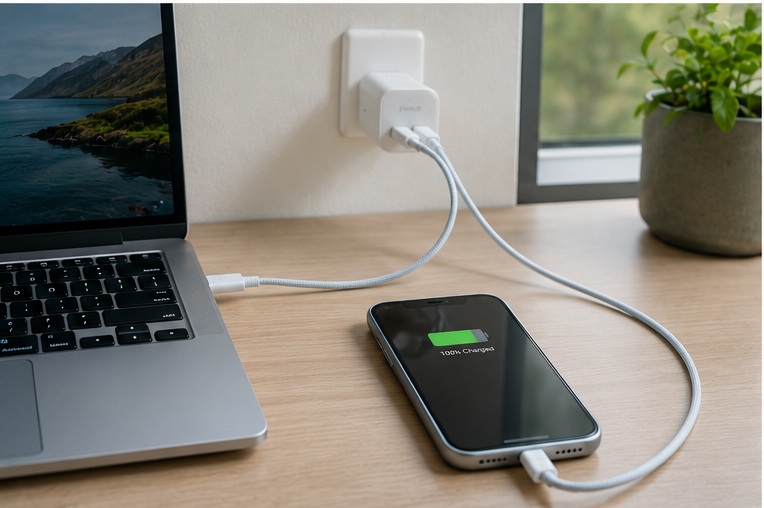
One 65W GaN charger runs everything
Bedside tables
A charger per person per device
One charger each, shared cable type
Travel bag
A pouch of adapters and maybes
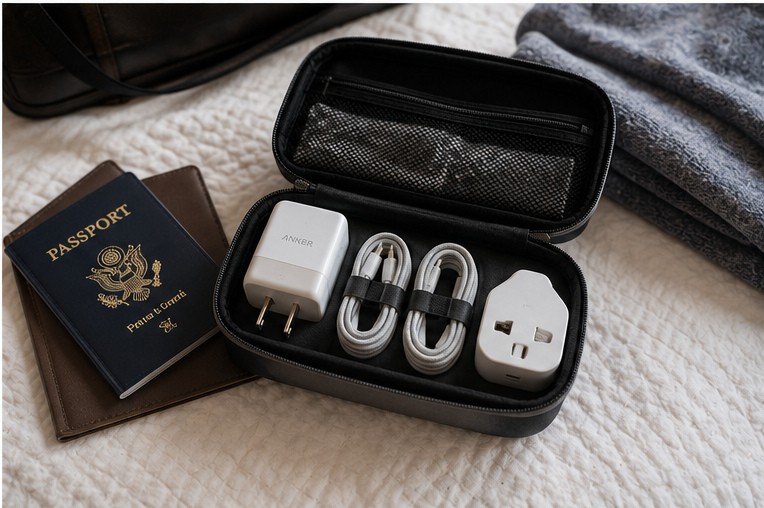
One charger, two cables, done
The drawer
Nine species of cable
Empty, gloriously
How the Transition Actually Worked
The method was patience rather than shopping spree, and it cost far less than replacing everything at once because most of the work was done by upgrades that were coming anyway. Phones and earbuds crossed on their normal replacement cycles, as every current mainstream model now charges by USB C. The laptop crossed the same way, and its crossing was the transition's biggest single prize, since modern laptops charging by USB C means one 65W GaN charger, the hero object of our upgrades and $100 guides, now runs the laptop, the phone, and everything else from any socket in the house. The stubborn micro USB accessory tier, meaning the lamps, trimmers, speakers, and small rechargeables that manufacturers kept on the old port longest, crossed by attrition, replaced at end of life with USB C versions that now exist in every category, and in two cherished cases by a $2 micro USB to USB C adapter that let sentiment survive the standard.
Even the battery drawer joined, which surprised us, since rechargeable AA and AAA cells now exist with USB C ports in their own bodies, retiring the last dedicated charger in the house. What resisted to the end were exactly two things, the smartwatch with its proprietary magnetic puck, a hold out across most of the watch industry, and one older camera, both of which now share a single labelled cable in the travel pouch as the transition's tolerated exceptions.
What One Cable Actually Saves
The money saved was real but modest, a few hundred dollars across the year, mostly from chargers not bought, duplicates not needed, and the discovery that quality third party USB C gear from the reputable charging brands costs a fraction of first party accessories. The larger dividends were stranger and better. Travel preparation collapsed from a packing subroutine into lifting one pouch, with one charger and two cables covering both of us for any trip on either side of the Atlantic. Household cable disputes ended, since every cable now charges every thing, and the bedside, kitchen, and office stations became genuinely shared infrastructure. And a small daily tax we had never itemised, the moment of finding the right cable, simply stopped being levied.
One caution earned its place in the story, which is that USB C's single shape hides different capabilities, with cables varying in the wattage they carry and the data they pass, and the one bad afternoon of the year traced to a flimsy freebie cable trickling power into a hungry laptop. The fix is buying the few cables you actually need from reputable brands with the wattage rating printed on them, and marking the high power ones, at which point the single shape becomes as trustworthy as it is tidy. Cheap unknown cables were the last relic of the old world in the house, and as with the unknown earbuds our blind test buried, the $10 saved was the most expensive part of them.
Frequently Asked Questions
Is everything really on USB C now? Phones, tablets, earbuds, laptops, ebook readers, power banks, and the whole accessory tier have crossed in current models, pushed by regulation and sense. The consistent hold outs are smartwatch pucks and some cameras and shavers, which is why the one exceptions cable earns its labelled place.
Do I need to replace working devices to standardize? No, and we deliberately did not. Attrition does the work within a normal upgrade cycle or two, adapters bridge sentimental survivors for pennies, and the transition costs almost nothing precisely because it rides replacements that were happening anyway.
Are all USB C chargers and cables interchangeable? Physically yes, which is the tidiness, and electrically within their ratings, which is the caution. A modern GaN charger negotiates the right power with each device automatically, so the practical rules are simply to buy chargers with enough total wattage for the laptop tier and cables rated for it, from brands you have heard of.
What wattage charger should a one cable household buy? A 65W dual or triple port GaN charger is the sweet spot that runs a laptop and phone together, with 100W models serving powerful laptops, and a smaller 30W to 45W unit covering bedside and travel duty. Two good chargers genuinely can run a whole household, which is the arithmetic that empties the drawer.
Does one cable type mean slower charging for some devices? No, the opposite in most houses, since a quality GaN charger fast charges phones and laptops better than the aged bricks it replaces. The only slow charging in our year came from that one bad cable, which is the cautionary tale rather than the standard.
Is this worth doing in the US where rules differ from Europe? The regulation was the push, but the market shift is global, and every practical benefit, from travel to the empty drawer, is jurisdiction free. American households are living the same transition on a purely voluntary timetable, and the method here works identically at Amazon, Best Buy, Currys, or Argos prices.
We use cookies to see which reviews and buying guides readers find useful, so we can keep improving them. Accept analytics cookies, or carry on with essential ones only. See our Cookie Policy.













 Get it on
  Download on the