A full smart lighting install, done properly in a weekend, is one of the few DIY projects that reliably impresses visitors and continues to pay off in year three. The honest math is that it costs about £180-200 for a one-room setup that covers festive scenes (Christmas tree, dinner party, late-night ambient), year-round routines (sunrise simulation, geofencing, bedtime fade), and the one or two feature lights that make the room look designed rather than lit. The trap is overspending on a hero piece and under-sizing the ambient layer, which is where cheaper brands actually earn their keep.
This guide covers a weekend setup using Philips Hue as the backbone, Nanoleaf and Govee as the accent pieces, and the Yeelight and LIFX alternatives if cost or ecosystem matter more than the Hue hub discipline. All prices are UK pricing at Argos, Currys, John Lewis and direct from brand stores. The budget target is £200 total; the layout below hits £185-195 for a living room or main bedroom setup.
The three-layer approach to a room
A room with one bright overhead light reads as "lit for utility". A room with three layers of light reads as "designed". The three layers are ambient (ceiling or ceiling-adjacent fill), task (reading, worktop, bedside) and accent (a feature wall, a shelf, a Christmas tree). A festive smart install hits allthree deliberately rather than overbuying on one.
Ambient layer: £70-90
Two Philips Hue White and Colour E27 bulbs in the ceiling fitting or lamps at £49-69 for a two-pack. The Zigbee response time (sub-200ms) and the Hue Bridge discipline make these worth the premium over the Wi-Fi alternatives. If the recipient already has a Hue starter kit, add two more bulbs for £35-49. These form the room's "mood dimming" baseline for routines and scenes.
Task layer: £40-60
A Hue Go portable lamp at £79-89, or alternatively a Yeelight bedside lamp at £39-49 for the budget version. The task layer is the light you actively use when reading on the sofa, working on the dining table, or getting ready in the morning. Smart task lighting adds schedule-based colour-temperature shifts (cool white at 7am, warm amber at 9pm) that visibly affect how the room feels across the day.
Accent layer: £50-80
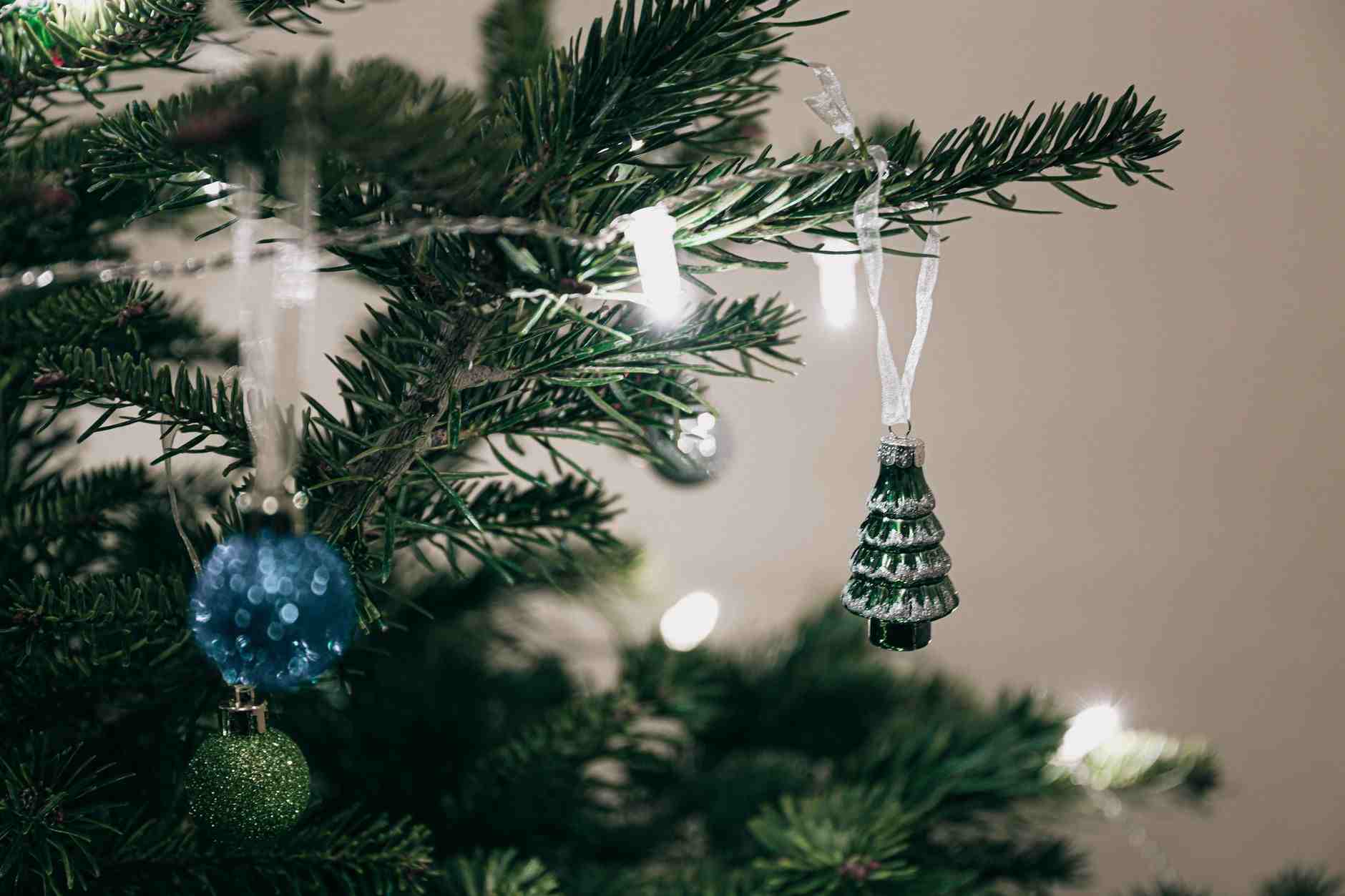
Nanoleaf Shapes starter kit at £119-149 for a nine-panel hexagon or triangle set, or Govee Glide at £79-99 for a flat architectural strip, or Govee RGBIC Pro light strip at £59-79 for a five-metre run around a Christmas tree or shelf. The accent layer is the one visitors notice and the one that most defines festive scenes. Pick one hero piece per room, not two; two accents compete and the room reads busy.
Total: £160-230 depending on choices. The target£180-195 build is two Hue bulbs plus a Hue Go plus a Govee RGBIC Pro five-metre strip, which covers allthree layers at the ambient-centric brand of Hue and accent-centric Govee.
Philips Hue as the backbone
The Hue Bridge at £49 (or included in the £99-149 starter kits on Black Friday) is the single feature that distinguishes Hue from every Wi-Fi-only competitor. Zigbee 3.0 runs on a dedicated 2.4GHz mesh that does not compete with Wi-Fi bandwidth, response times stay under 200ms as the install scales to fifty or more bulbs, and the bridge supports Matter for cross-ecosystem integration. The Hue app handles routines, geofencing, sunrise simulation, music sync (with the £229 Hue Sync Box for TV integration), and the standout Hue Festavia string lights at £179-199 which drape 20m of 250 Zigbee-addressable LEDs along a tree.
The downside is cost. A full Hue install for a two-bedroom flat runs £400-600 even on Black Friday. The entry point for a single room build is where Hue justifies itself; above that, mixing Hue backbone with Govee accents keeps the bill manageable.
Nanoleaf, Govee and the Wi-Fi alternatives
Nanoleaf Shapes
Hexagon, triangle and mini-triangle panels that mount directly to a wall with 3Mcommand strips. Starter kits run £119-149 for nine panels, expansions £49-69 for three. Each panel is individually addressable, works via Wi-Fi plus Thread on the newer Shapes 2024 refresh, and the companion app includes scene marketplace with user-created patterns. Response time is around 400ms, slightly behind Hue but acceptable for ambient and accent use.
Govee
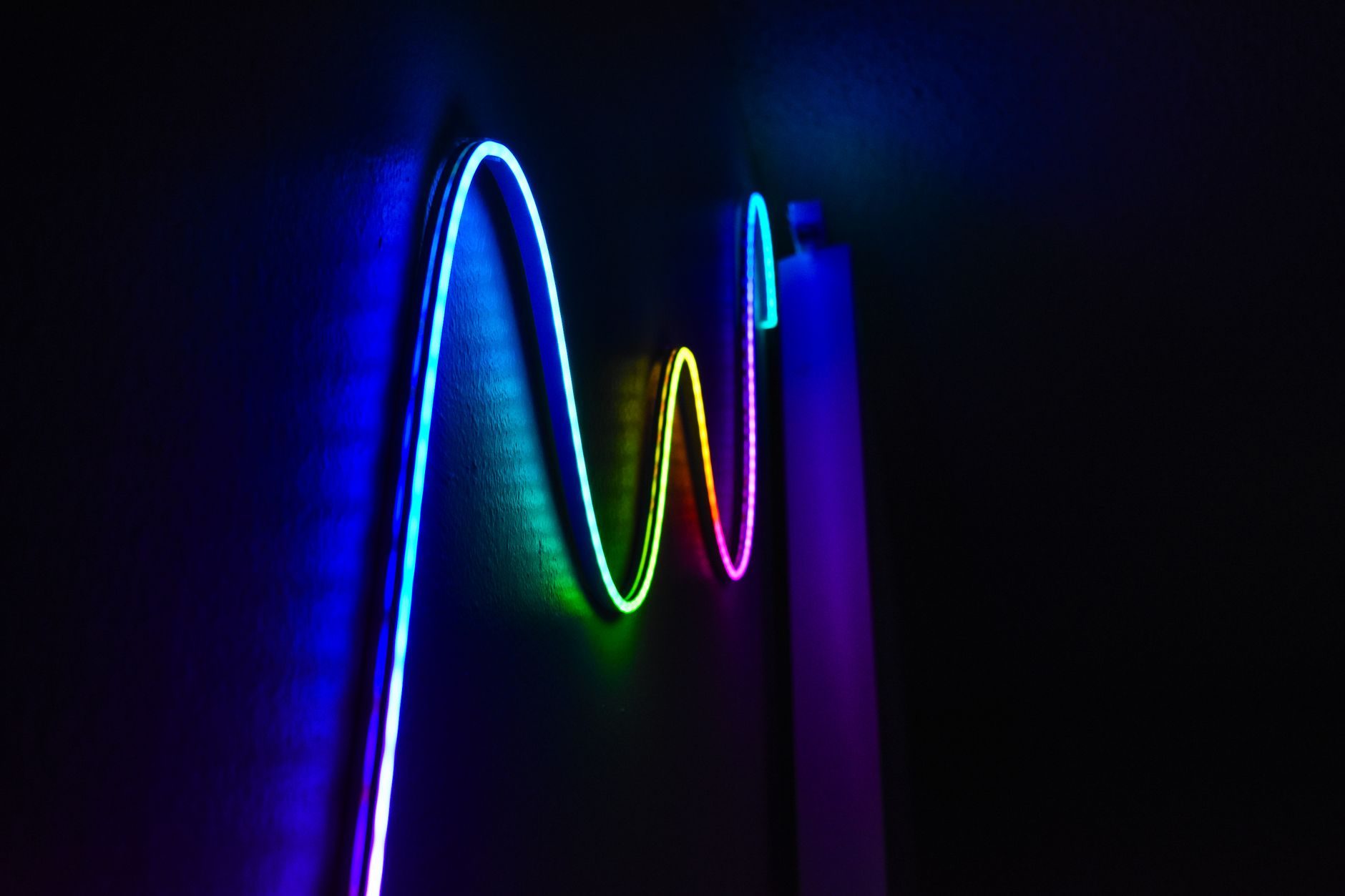
Govee covers the broadest range of fixtures: light strips (RGBIC Pro at £59-79), curtain lights (£79-129), landscape spots (£89-149), and the Glide architectural panels (£79-129). Wi-Fi based rather than Zigbee, so response times run 300-500ms depending on router congestion. The companion app is less polished than Hue but the price-per-metre on strip lighting is roughly one-third of Hue. For festive wrap on a Christmas tree, Govee RGBIC Pro is the pragmatic pick.
Yeelight
Xiaomi-owned, more affordable than Hue, works with the Mi Home app plus Alexa, Google Home and Matter. Yeelight 1S smart bulbs run £11-15, bedside lamps £35-49. The main caveat is the Mi Home app region support can be inconsistent in the UK; some users prefer the standalone Yeelight app, which works but offers fewer features. For the budget-conscious build, Yeelight is the alternative to Hue; for scale, Hue remains more reliable.
LIFX
Premium Wi-Fi bulbs at £35-45 each with no bridge required. Colour accuracy is excellent, response time is 300-400ms, and the app supports routines and themes. LIFX works well as a six-to-eight bulb install; above that scale, Wi-Fi congestion becomes a factor. For a recipient who wants Hue-adjacent quality without the bridge, LIFX is the clean option.
The festive scenes that actually get used
Three scenes earn their keep on a smart lighting setup through December: "Christmas Tree" (warm amber at 2200K, 40% brightness, with the accent strip in alternating red and green on a slow pulse), "Dinner Party" (candle-adjacent warm white at 2700K, 50% brightness, Hue Go on the mantelpiece at 20%) and "Hallway Welcome" (cool white at 3500K at 60% brightness triggered by door opening via Hue motion sensor). The fourth scene most owners configure is "Late Night" (any colour under 20% brightness, triggered by bedtime routine) which prevents the harsh overhead switch on 2am bathroom trips.
Routines matter more than scenes long-term. Sunrise simulation at 6:45am on weekdays, geofenced "arriving home" at 5pm during December dark hours, and automatic transition to warm amber at 9pm all keep the install useful outside the festive window. The ten-minute setup of these routines on day one determines whether the system still runs in March.
Quick comparison
Brand
Protocol
Entry bulb price
Accent kit price
Response time
Philips Hue
Zigbee + Matter
£19-24 (E27)
£179-199 (Festavia)
<200ms
Nanoleaf
Wi-Fi + Thread
n/a (panels only)
£119-149 (Shapes 9-pack)
400ms
Govee
Wi-Fi
£8-12
£59-79 (RGBIC Pro 5m)
300-500ms
Yeelight
Wi-Fi
£11-15
£35-49 (bedside lamp)
400-600ms
LIFX
Wi-Fi
£35-45
£49-69 (strip 2m)
300-400ms
Regional pricing: Hue starter kit is $129-179 US, €119-159 EU. Govee RGBIC Pro five-metre is $59-79 US, €55-79 EU. Nanoleaf Shapes is $139-179 US, €129-169 EU.
Do's and Don'ts
Do's
Don'ts
Build the ambient layer first, then task, then accent, in that order
Don't buy a Nanoleaf wall panel before you have a working ambient layer, the room will feel off
Pick Philips Hue for Zigbee backbone discipline and sub-200ms response times
Don't skip the Hue Bridge if you are planning more than six bulbs, Wi-Fi congestion will frustrate
Mix Hue backbone with Govee or Nanoleaf accents to keep the budget under £200
Don't buy all one brand expecting feature parity, each brand's strength is in a specific category
Set up two or three automation routines on day one, not just scenes
Don't rely on manual scene activation long-term, routines are what keep the install running past January
Pre-pair Zigbee devices to the bridge in a batch before mounting them
Don't mount panels or strips before testing them, mounting adhesive is single-use on Nanoleaf
Pick Govee RGBIC Pro five-metre strip for a Christmas tree, five metres covers a 180cm tree with wrapping
Don't use indoor strips outdoors, they are not IP rated for weather and will fail in moisture
Buy from John Lewis for the two-year guarantee on Hue hardware
Don't buy Hue bulbs from marketplace sellers, counterfeits with Zigbee stack issues are documented
Factor in motion sensors (£34-39 for Hue motion) for the "hallway welcome" routine
Don't gift a smart lighting setup to a renter without clip-on alternatives, pendant swaps require the landlord's permission
Position the Hue Bridge within three metres of the router with wired Ethernet
Don't tuck the Hue Bridge inside a metal AV cabinet, the Zigbee mesh needs line of sight to the first few bulbs
Save three or four favourite scenes with recognisable names (Dinner, Christmas Tree, Late Night)
Don't name scenes with generic labels (Scene 1, Scene 2), voice assistants struggle to disambiguate them
FAQ
Can I build a smart lighting setup for under £150
Yes, with Yeelight or Govee throughout. A single-room Yeelight build with two bulbs plus a bedside lamp plus a Govee strip runs £85-110. The trade-off is Wi-Fi congestion if the recipient scales beyond six to eight devices on the home network. For a single-room gift, under £150 is realistic; for a two-room setup with routines across both, £180-220 is more honest.
Do I need a Hue Bridge if I only buy two Hue bulbs
Technically no; Hue bulbs can pair directly with Alexa or Google Home via Bluetoothup to ten bulbs. Practically yes if you want the full routine, scene and geofencing feature set. The bridge is included in most Hue starter kits at £99-149, which makes the "no bridge" math worse than it looks. Buy the starter kit.
How bright should the ambient layer be
Measured in lumens, a 15-20sqm living room needs roughly 2, 000-3, 000 lumens of ambient light to feel comfortable at full brightness, which is three to four 800-lumen E27 bulbs. Two 800-lumen bulbs at 60% brightness is a comfortable "evening" level for conversation and television. For a bedroom, half that; for a kitchen, more.
Will any of these work with HomeKit, Alexa and Google together
Hue works with allthree. Govee works with Alexa and Google but not HomeKit natively (Matter integration is partial). Nanoleaf works with allthree via Matter on current hardware. LIFX works with allthree. Yeelight works with Alexa and Google but HomeKit requires an unofficial bridge. For a household running Siri and Google concurrently, Hue is the safest bet.
What about outdoor festive lighting
Hue Festavia string lights at £179-199 for 20m are the premium outdoor-rated option. Govee outdoor string lights at £59-99 for 15m are the budget pick. Both are IP65 rated for rain exposure, not submersion. For garden spots, Hue Lily spots at £129-179 for a three-pack are the standard. Do not use indoor-rated LED strips outside; they fail within two to six months in UK winters.
How long do the bulbs last
Hue bulbs are rated at 25, 000 hours, which is roughly ten to fifteen years of normal use. Govee strips are rated at 50, 000 hours but the controller unit fails earlier, typically four to six years. Nanoleaf panels are rated at 25, 000 hours. LIFX bulbs are rated 22, 000 hours. In practice, bridge or controller hardware fails before the LEDs do, which is why Zigbee bulbs tied to a replaceable bridge outlast Wi-Fi units.
Is Matter actually useful yet
Partially, in late 2026. Matter over Thread works reliably for simple on/off and brightness across Hue, Aqara, Nanoleaf and Apple HomePod Mini (as a Thread border router). Advanced features (scenes, custom automations, music sync) still work best inside each brand's own app. For a Christmas install, use the native apps and treat Matter as a nice-to-have for cross-platform voice control.
Can I set up the install under the recipient's account before Christmas
For Hue, yes, pair the bridge and bulbs to your Wi-Fi (if you know the recipient's network name), configure scenes and routines, then factory-reset the bridge before wrapping; the recipient re-pairs quickly on Christmas Day with the preset scenes intact. For Govee and Nanoleaf, similar. For LIFX, less reliable. Pre-pairing is a nice touch but not strictly necessary; the apps are now straightforward.
We use cookies to see which reviews and buying guides readers find useful, so we can keep improving them. Accept analytics cookies, or carry on with essential ones only. See our Cookie Policy.










 Get it on
 Download on the